
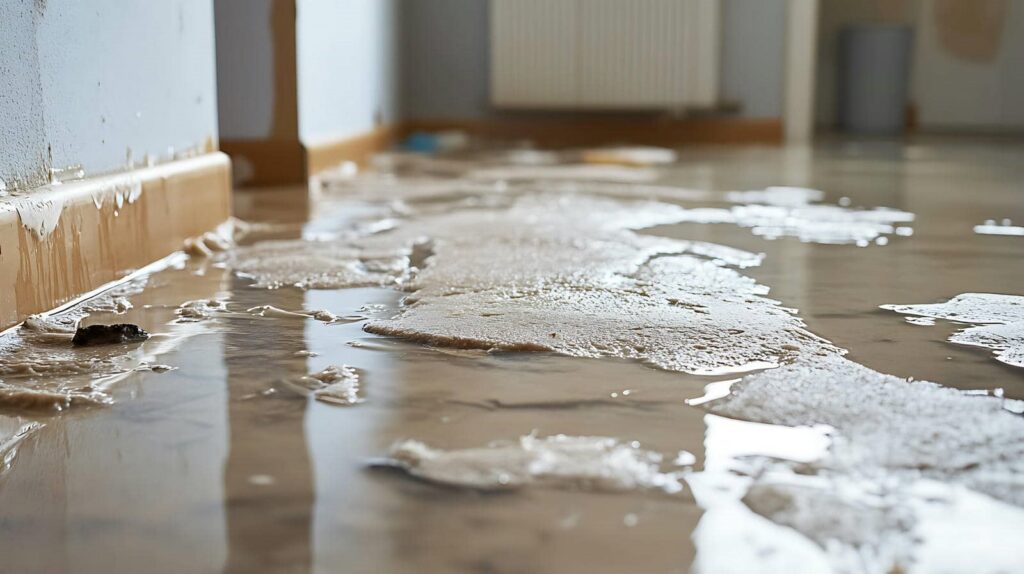
After a storm, dealing with water damage can feel overwhelming. You need to act quickly to prevent further deterioration and health risks. Start by evaluating the damage, ensuring your safety first. Understanding the immediate steps and long-term effects is essential for protecting your home. But what signs indicate it’s time to call in a professional? Let’s explore the vital actions you must take to safeguard your property.
Key Takeaways
- Immediately assess damage by checking for structural issues and documenting findings with photos for insurance claims.
- Safely remove standing water using pumps and ensure proper ventilation to dry out the space.
- Inspect for water damage signs like stains, warping, and musty odors to identify areas needing repair.
- Turn off electricity and wear protective gear to avoid hazards while dealing with floodwaters.
- Consider long-term effects like mold growth and insulation damage, and implement flood-proofing measures for future prevention.
Immediate Steps to Take After Flooding
When floodwaters recede, the urgency to act quickly can’t be overstated. Start your flood recovery by conducting a thorough damage assessment. Check for structural issues, electrical hazards, and contaminated water. Document everything with photos and notes; this will be essential for insurance claims.
Next, prioritize safety. If you’re uncertain about stability, don’t hesitate to call a professional. Remove any standing water using pumps or wet vacs to prevent mold growth.
Dry out your space by opening windows and using fans.
Reach out to local resources for support; you’re not alone in this. Community organizations often provide assistance during recovery.
Taking these steps can help you regain your footing and rebuild your home, fostering a sense of belonging in your community.
What Happens Immediately After Flooding?
After flooding, your first priority is to assess any structural damage while ensuring your safety.
Check for hazards like downed power lines or unstable walls before entering your home.
Taking these precautions can help prevent further injuries or complications as you begin the recovery process.
Assessing Structural Damage
While evaluating structural damage following a flood, it’s important to approach the situation with caution. Start by checking the foundation, as it’s vital for maintaining your home’s structural integrity. Look for visible cracks or shifts, which might indicate serious issues.
| Assessment Area | Signs of Damage | Action Needed |
|---|---|---|
| Foundation | Cracks, sinking | Immediate inspection |
| Walls | Bowing, bulging | Structural evaluation |
| Roof | Leaks, sagging | Repair or replace |
| Windows & Doors | Misalignment, leaks | Adjust or replace |
| Floors | Bubbles, warping | Professional assessment |
Document any damage you find. This will help you communicate effectively with professionals during repairs, ensuring your home gets the care it needs.
Safety Precautions First
Once you’ve assessed the structural damage, prioritizing safety is essential. Flooding can lead to hidden dangers, so take the following precautions immediately:
- Turn off electricity to prevent shocks.
- Wear protective gear like boots and gloves to avoid contaminants.
- Avoid floodwaters, as they may harbor debris and chemicals.
- Keep emergency kits handy, stocked with essentials like water, food, and first-aid supplies.
Your flood preparedness can make all the difference.
After a storm, you’re not alone many are in the same boat. Reach out to neighbors and local services for support.
How to Assess Water Damage in Your Property
After a flood, it’s essential to assess the damage quickly to prevent further issues.
Start with a visual inspection to identify obvious signs of water damage, then use tools to find hidden moisture that might be lurking behind walls or under floors.
Knowing what to look for can help you tackle repairs more effectively and protect your home.
Visual Inspection Techniques
When evaluating water damage in your property, a thorough visual inspection is essential.
Pay attention to visual cues that indicate moisture presence. This can help you identify areas needing immediate attention.
- Check for water stains on walls and ceilings.
- Look for peeling paint or wallpaper, which may signal trapped moisture.
- Inspect floors for warping or buckling, indicating underlying issues.
- Assess any musty odors, as they often suggest mold growth.
Identifying Hidden Moisture
Visual inspections can reveal obvious signs of water damage, but hidden moisture often poses a greater threat to your property. You need to take a proactive approach to moisture detection. Look for areas that feel damp, smell musty, or have discoloration. Utilize moisture meters to identify hidden leaks in walls and floors.
| Signs of Hidden Moisture | Recommended Actions |
|---|---|
| Musty odors | Use dehumidifiers |
| Warped floors | Inspect and repair leaks |
| Stains on walls | Check plumbing fixtures |
| Peeling paint | Remove and dry affected areas |
Signs You Should Call a Water Damage Expert
How can you tell if it’s time to call a water damage expert? Trust your instincts. If you notice any of these signs, it’s essential to seek expert consultation:
Persistent dampness: If moisture lingers despite your efforts to dry it out.
Mold growth: Any signs of mold can indicate serious water damage.
Unpleasant odors: Musty smells often signal hidden water issues.
Structural changes: Warping floors or ceilings might mean water’s been at work.
Ignoring these signs can lead to bigger problems down the line.
If you suspect water damage, don’t hesitate to reach out for help. You’re not alone in this; professionals are ready to support you in restoring your home.
Why Quick Water Removal Matters
After noticing signs of water damage, you must act quickly to minimize the impact on your home. Quick water removal is essential for effective water extraction.
The longer water sits, the more damage it can cause, leading to mold growth and structural issues that can affect your whole family. By prioritizing moisture control, you protect not just your belongings, but also the comfort and safety of your living space.
It’s not just about fixing a problem; it’s about preserving your home as a haven for you and your loved ones. When you act fast, you show you care about your environment and everyone in it.
Don’t let water linger—take action to safeguard your home today.
Long-Term Effects of Water Damage on Your Home
When water damage occurs, it can lead to serious long-term consequences for your home if left untreated. Ignoring the aftermath of flooding can create problems that affect both your living space and your well-being.
Mold growth can develop quickly, posing health risks for you and your family.
Insulation damage can compromise your home’s energy efficiency, leading to higher utility bills.
Structural issues may arise, potentially endangering the integrity of your home.
Unpleasant odors can linger, making your space feel uncomfortable.
Addressing these concerns promptly helps protect your home and guarantees a safe, welcoming environment for you and your loved ones.
Don’t underestimate the importance of tackling water damage early to safeguard your investment and well-being.
Preventing Future Flood Damage in Your Home
To prevent future flood damage in your home, it’s essential to take proactive measures that safeguard your property.
Start by implementing effective flood proofing strategies, such as sealing cracks in your foundation and installing flood barriers.
Check your gutters regularly, ensuring they’re clear to facilitate proper drainage.
Consider drainage improvements around your home, like adding French drains or diverting downspouts away from your foundation.
Additionally, landscaping can play an important role; grading your yard to slope away from your house helps manage water flow.
Finally, stay informed about local flood risks and invest in flood insurance to protect your home and belongings.
Frequently Asked Questions
Will My Insurance Cover Flood Damage Repairs?
Your insurance might cover flood damage repairs, but it depends on your flood insurance policy and coverage limits. Check your policy details and talk to your agent to understand what’s included and what isn’t.
How Can I Determine if My Home Is Safe?
After heavy storms, about 25% of homes face structural issues. Conduct a safety assessment by checking for water damage, cracks, and mold. If unsure, consult a professional to guarantee your home’s structural integrity is sound.
What Personal Items Should I Salvage First?
Start with essential documents like passports, birth certificates, and insurance papers. Next, focus on personal items that hold sentimental value. Prioritize family photos and keepsakes, ensuring you save what matters most to you and your loved ones.
How Long Does It Take to Dry Out a Home?
Drying out your home can take anywhere from a few days to weeks, depending on drying techniques and moisture assessment. Stay proactive, and remember it’s about rebuilding your sanctuary, not just drying the walls.
What Health Risks Are Associated With Flood Water?
Floodwater can expose you to harmful contaminants and increase mold growth, posing serious health risks. You might experience respiratory issues, skin irritations, or infections. It’s essential to address these hazards promptly to protect your well-being.
Review
In the aftermath of storm flooding, swift action is essential. By tackling the turmoil of water damage promptly, you can protect your property and peace of mind. Remember, immediate measures and mindful maintenance are keys to safeguarding your home against future floods. Don’t let lingering issues lead to long-term loss. So, stay vigilant, be proactive, and prioritize prevention to preserve your sanctuary from water woes. Your home deserves the best care!