
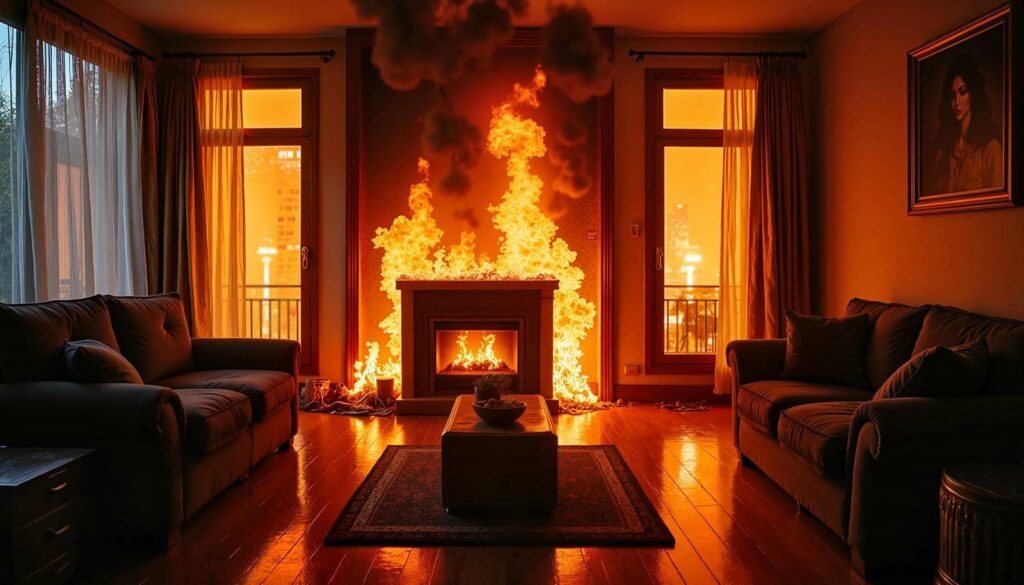
If you’ve experienced a fire, understanding the restoration process is essential for your recovery. Many homeowners start by searching for fire damage restoration near me to find local experts who can respond quickly. The aftermath can be overwhelming, and knowing what to expect can help you regain a sense of control. From evaluating damage to selecting the right restoration service, each step plays an important role in restoring your home and peace of mind. Let’s explore what this journey entails.
Key Takeaways
- Assess the fire damage thoroughly to determine the type and extent before starting the restoration process.
- Choose a reputable restoration service with verified experience and positive customer reviews in fire damage recovery.
- Expect a multi-step restoration process involving cleanup, structural repairs, and odor removal to ensure a safe environment.
- Be aware of challenges like lingering smoke damage and water issues from firefighting efforts that may complicate restoration.
- Stay organized with documentation for insurance claims to facilitate prompt processing and avoid delays in recovery.
Understanding Fire Damage: Types and Severity
Fire damage can vary considerably in type and severity, affecting everything from structural integrity to personal belongings. Understanding fire chemistry is essential for damage categorization.
The flames can cause direct harm, while smoke and soot lead to secondary damage, affecting surfaces and materials. You might encounter different categories: light damage where items can often be cleaned, moderate damage requiring professional intervention, and severe damage that may necessitate replacement.
Each type requires tailored restoration efforts, ensuring your home and cherished possessions can be salvaged. Recognizing these nuances helps you grasp the full impact of a fire incident, allowing you to make informed decisions during a stressful time.
Your belongings and safety matter, and understanding this process can provide peace of mind.
Initial Steps to Take After a Fire Incident
Experiencing a fire can be overwhelming, and knowing what to do next is vital for your recovery and safety. Follow these initial steps to ensure you’re on the right path:
- Ensure Safety: Check for any immediate dangers, like smoke or structural damage, before re-entering your space.
- Contact Emergency Services: If you haven’t already, call the fire department to report the incident and make certain it’s safe to proceed.
- Document Damage: Take photos and notes about the extent of the damage for insurance purposes.
- Seek Emotional Support: Reach out to friends, family, or support groups. Emotional support is essential during this challenging time.
Prioritize fire safety and take the necessary steps to begin your recovery journey. You’re not alone in this.
How to Assess Fire Damage
How can you accurately gauge the extent of fire damage? Start with a thorough fire damage assessment. Look for charred materials, structural damage, and any lingering odors.
Don’t forget about smoke damage evaluation; smoke can seep into walls and furniture, creating long-term issues if not addressed. Document everything with photos, as this will help during restoration and insurance claims.
Pay attention to areas that might seem unaffected, as smoke and heat can cause hidden damage. If you’re uncertain, consult professionals who specialize in fire damage assessment—they can provide insights and ensure nothing slips through the cracks.
Selecting Your Fire Damage Restoration Service
After evaluating the fire damage, the next step is to choose a reliable restoration service. Selecting the right company can greatly influence your recovery. Here are key factors to take into account:
- Service Reputation: Research their standing in the community.
- Experience Levels: Look for companies with a proven track record in fire restoration.
- Customer Reviews: Read feedback to gauge previous client satisfaction.
- Certification Standards: Verify they meet industry certifications for quality assurance.
Also, think about cost considerations and local availability. A quick emergency response can minimize further damage, and reputable services often offer warranties.
Balancing these aspects will help you find a trustworthy partner in your restoration journey.
What Happens During Fire Damage Restoration?
During fire damage restoration, you’ll first undergo an initial assessment to identify the extent of the damage.
After that, cleanup and debris removal are essential steps to prepare for the restoration process.
Finally, skilled professionals will focus on repairing and restoring your property to its original condition, helping you reclaim your space.
Initial Assessment Process
As soon as the fire is extinguished, the initial assessment process begins, focusing on evaluating the extent of the damage and ensuring safety. This vital step helps you regain a sense of control after a traumatic event.
Here’s what you can expect:
- Safety Evaluation: Inspecting for structural integrity and potential hazards.
- Damage Assessment: Identifying areas affected by flames, smoke, and water.
- Smoke Detection: Testing for lingering smoke and toxic residue that could affect air quality.
- Fire Safety Compliance: Ensuring your home meets safety standards before restoration starts.
This process helps you understand the damage and reassures you that the restoration team prioritizes your well-being and safety.
Cleanup and Debris Removal
Once the safety evaluation and damage assessment are complete, the focus shifts to cleanup and debris removal. This vital step involves effective debris management to restore your space.
Professionals will carefully remove charred materials, damaged furnishings, and other debris while ensuring any hazardous materials, like chemicals or asbestos, are handled safely. They prioritize your safety and well-being, using specialized equipment to minimize health risks.
You’ll see a thorough approach, as they work to clear your property and prepare it for the next stages of restoration. It’s normal to feel overwhelmed, but knowing that experts are on your side can bring some comfort.
They aim to help you reclaim your space and move forward positively.
Restoration and Repair Steps
Here’s what to expect in the restoration process:
- Assessment: Experts evaluate the extent of smoke and fire damage.
- Soot Removal: Specialized techniques are used to eliminate soot from surfaces.
- Structural Repairs: Damaged walls, ceilings, and floors are repaired or replaced.
- Final Touches: Cleaning and deodorizing ensure your space feels like home again.
This careful approach restores your property and helps you reclaim your sense of belonging.
Essential Equipment for Fire Restoration
When restoring a fire-damaged space, having the right equipment is essential for both safety and efficiency.
You’ll need essential firefighting gear to protect yourself during the initial assessment, as well as specialized restoration tools to effectively remove soot and water damage.
Understanding these tools will help you navigate the restoration process more smoothly.
Firefighting Gear Essentials
While tackling fire damage restoration, having the right firefighting gear is essential for ensuring safety and efficiency.
Wearing proper firefighter uniforms protects you and instills confidence. Adhering to safety protocols is important, so equip yourself with the following essentials:
- Firefighter Uniforms: Designed to withstand extreme heat and provide protection.
- Helmet: Shields your head from falling debris and heat.
- Gloves: Protects your hands from burns and sharp objects while offering grip.
- Boots: Reinforced, slip-resistant footwear is critical for stability on uneven surfaces.
Restoration Tools Overview
Effective fire damage restoration hinges on the right tools, enabling you to tackle the aftermath efficiently. Utilizing appropriate restoration techniques can greatly impact the recovery process, ensuring your space returns to normal as quickly as possible. Here’s a quick overview of essential equipment:
| Tool | Purpose |
|---|---|
| Air Scrubbers | Remove smoke and odors |
| Dehumidifiers | Control moisture levels |
| Thermal Imaging Cameras | Detect hidden heat sources |
| Soot Vacuum | Clean surfaces and materials |
Regular equipment maintenance is vital to ensure these tools perform at their best. By familiarizing yourself with this equipment, you’ll build confidence and foster a sense of belonging in the restoration community.
Typical Challenges You Might Face in Fire Restoration
Steering through the aftermath of a fire can be overwhelming, especially when faced with the myriad challenges of restoration.
You’ll encounter several key issues that require your attention:
- Smoke Damage: Residual odors and soot can linger, complicating cleanup efforts.
- Structural Integrity: Evaluating any compromised structures is essential for safety.
- Emotional Impact: The stress of recovery can weigh heavily on you and your family.
- Insurance Implications: Maneuvering claims can be complex, affecting your financial recovery.
Additionally, you’ll need to address safety hazards and potential water damage from firefighting efforts.
Odor removal and cleanup challenges can further complicate the process, making professional assistance critical for a successful restoration.
Tips for Preventing Future Fires
To ensure your home remains safe from future fires, it’s crucial to adopt proactive measures that address potential hazards.
Start by implementing effective fire prevention strategies, like installing smoke detectors on every level and regularly checking their batteries. Conduct home safety audits to identify risky areas, such as overloaded electrical outlets or improperly stored flammable materials.
Keep a fire extinguisher in your kitchen and learn how to use it properly. Establish a family fire escape plan, ensuring everyone knows the routes and meeting points.
Regularly review and update these practices, fostering a culture of safety within your home.
Navigating Your Insurance Claim for Fire Damage Restoration?
How can you navigate the complex process of filing an insurance claim for fire damage restoration? Understanding the intricacies of your insurance coverage is essential. Here are key steps to follow:
- Review Your Policy: Familiarize yourself with policy limits and coverage specifics.
- Gather Documentation: Collect all necessary documentation requirements, including photos, receipts, and fire reports.
- File Your Claim Promptly: Adhering to timeframes involved can avoid delays in the claim process.
- Seek Expert Assistance: If you face adjusting disputes, consider hiring professionals to help you navigate the complexities.
Avoid common pitfalls by staying organized and proactive.
Frequently Asked Questions
How Quickly Should I Start Fire Damage Restoration?
You should start fire damage restoration immediately. Quick emergency response minimizes further damage, and it’s essential for insurance claims. Acting fast protects your property and helps you regain a sense of normalcy.
Can I Stay in My Home During Restoration?
You shouldn’t stay in your home during restoration due to safety concerns. Smoke odor and structural damage can pose health risks. Prioritizing your well-being ensures a smoother recovery process and protects your loved ones.
What Types of Fires Cause the Most Damage?
Electrical and cooking fires often cause the most damage. Understanding the causes of fires and implementing fire prevention tips, like regular inspections and safe practices, can help protect your home and loved ones from devastation.
Are All Fire Restoration Companies Certified?
Not all fire restoration companies are certified. To ensure fire safety, look for those with proper credentials and proven restoration techniques. Trustworthy teams make a difference, helping you rebuild and regain peace of mind.
How Long Does Fire Damage Restoration Typically Take?
Fire damage restoration typically takes a few days to weeks, depending on the extent of damage. Understanding the fire damage timeline helps you navigate the restoration process, ensuring you feel supported throughout this challenging time.
Wrap-Up
In the aftermath of a fire, restoring your home can feel like climbing a mountain. By understanding the process and working with a skilled restoration service, you can navigate this challenging journey with confidence. Remember, detailed assessments and proper documentation are your allies as you move forward. With the right support, youcan reclaim your space and strengthen your home’s safety for the future, turning a painful experience into an opportunity for renewal.