
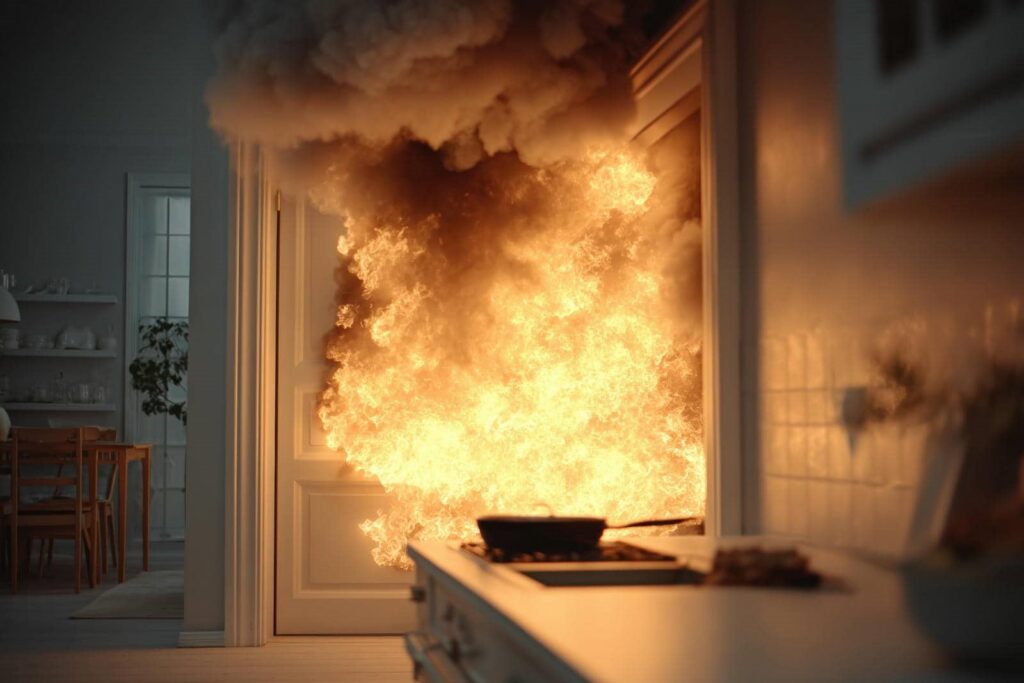
Fire Damage Restoration – After a fire, your home can feel like a battlefield, with remnants of destruction scattered throughout. Understanding the fire damage restoration process is essential for reclaiming your space and peace of mind. From evaluating safety hazards to restoring structural integrity, each step plays an important role in your recovery. If mold develops as a result of firefighting efforts or water used to control the blaze, navigating the mold remediation services insurance claim process becomes equally important. You’ll soon realize that maneuvering through this complex journey requires careful planning and expert guidance, as every decision can greatly impact the outcome of your restoration efforts.
Key Takeaways
- Fire damage restoration involves assessing smoke, heat, water, and soot damage to tailor effective recovery methods.
- Initial safety protocols ensure structural integrity and protect individuals during the assessment and cleanup process.
- The cleanup process includes debris removal, hazard assessment, and documentation for insurance claims.
- Restoration techniques focus on repairing and replacing damaged materials while improving air quality and aesthetics.
- Ongoing maintenance and strategic layouts enhance the home’s safety, comfort, and functionality post-restoration.
Common Types of Fire Damage and Their Causes
When a fire occurs, understanding the common types of fire damage and their causes is essential for effective restoration.
Smoke damage often permeates walls and furnishings, leaving behind lingering odors and stains.
Heat damage can warp structures, compromising safety and stability.
Water damage frequently follows firefighting efforts, leading to mold growth and structural issues.
Electrical damage may arise from faulty wiring igniting, presenting ongoing risks.
Soot damage, a byproduct of incomplete combustion, not only stains surfaces but can also pose health risks.
Ultimately, chemical damage from extinguishing agents can leave toxic residues, complicating restoration efforts.
Knowing these types helps you navigate the recovery process with confidence, ensuring your space can be restored to a safe and welcoming environment.
The Initial Assessment: What to Expect During Fire Damage Evaluation
During the initial assessment of fire damage, your safety is the top priority.
Professionals will implement strict safety protocols to ensure that the environment is secure for evaluation.
Once safety is confirmed, they’ll classify the damage to determine the best restoration methods tailored to your specific situation.
Safety Protocols First
Before diving into the fire damage restoration process, it’s essential to prioritize safety protocols during the initial assessment.
First, confirm that the area is safe—check for structural integrity and potential hazards like smoke or toxic fumes. Wear appropriate personal protective equipment to shield yourself from harmful elements.
Your emergency preparedness plan should guide you, so keep communication open with professionals who understand fire safety. They’ll help you navigate the evaluation efficiently, making sure you’re aware of any risks.
Remember, your well-being is paramount. By following these protocols, you protect yourself and create a supportive environment for others involved in the recovery process.
Together, you can begin to heal and restore what’s been lost.
Damage Classification Methods
As you commence the fire damage evaluation, understanding damage classification methods can greatly streamline the process.
You’ll encounter various damage categories—such as structural, content, and environmental—that help frame your assessment.
Each category requires specific assessment techniques, like visual inspections and moisture level checks, to determine the extent of the damage.
Safety First: Securing Your Property After a Fire
Once the flames are extinguished and the smoke has cleared, safeguarding your property is essential to prevent further damage and ensure safety.
Ensuring fire safety and property security can help you reclaim your space and restore peace of mind. Here are critical steps to follow:
- Secure all entry points to deter unauthorized access.
- Install smoke detectors and fire alarms to enhance safety.
- Assess structural integrity before re-entering the building.
- Remove hazardous materials that could pose risks.
- Contact professionals for a thorough inspection and guidance.
Cleanup Process: Essential Steps for Debris and Hazard Removal
Following a fire, the cleanup process is essential to restoring your property and ensuring safety. Start with a thorough hazard assessment; identify any structural risks, lingering smoke, or toxic materials. This step is vital for protecting yourself and anyone who enters the area.
Next, focus on debris removal. Wear appropriate protective gear and remove burnt materials, furniture, and any hazardous debris. Document everything for insurance purposes, taking photos before disposal.
If you’re overwhelmed, consider hiring professionals who specialize in fire damage restoration. They can efficiently manage the cleanup, ensuring that your space is safe for future use.
Key Restoration Techniques for Structural Damage Repair
Once the cleanup is complete, you’ll need to assess the structural integrity of your property to identify any hidden damage.
This step is essential, as it helps you understand what can be repaired and what needs replacement.
From there, you can focus on repairing fire-damaged materials, ensuring your home is safe and sound again.
Assessing Structural Integrity
When evaluating structural integrity after a fire, it’s crucial to prioritize safety while examining potential damage. A thorough structural assessment helps you identify risks and determine next steps.
Here are key aspects to reflect on during your integrity evaluation:
- Visual Inspection: Look for visible signs of damage, such as cracks or warping.
- Load-Bearing Elements: Check beams, columns, and walls for signs of weakness.
- Foundation Stability: Verify the foundation hasn’t shifted or settled unevenly.
- Material Integrity: Examine materials like wood and metal for charring or corrosion.
- Professional Consultation: Engage structural engineers to provide expert insights.
Taking these steps ensures you address issues effectively, fostering a sense of safety and belonging as you navigate recovery.
Repairing Fire-Damaged Materials
Begin by evaluating the extent of the damage, identifying which materials can be salvaged and which need replacement.
Utilize restoration techniques like sanding and refinishing for lightly charred wood, while replacing severely damaged sections. Incorporate fireproof materials where possible, enhancing future fire resistance.
For walls and ceilings, consider applying fire-retardant coatings to protect against further damage.
When dealing with insulation, make sure it’s replaced to maintain energy efficiency and safety.
Throughout the process, it’s crucial to communicate with everyone involved, fostering a sense of community as you work together to rebuild.
Your efforts pave the way for a safe, welcoming environment once more.
Eliminate Smoke and Odor With These Effective Solutions
Although dealing with smoke and odor after a fire can feel overwhelming, effective solutions exist to help restore your space. You’ll want to employ various smoke removal techniques and odor neutralization methods to ensure a thorough recovery.
Start by ventilating your area to allow fresh air in. Next, consider these solutions:
- Use commercial-grade air purifiers with HEPA filters.
- Clean surfaces with a solution of vinegar and water to absorb odors.
- Utilize ozone generators for deep odor removal.
- Seal and paint walls with odor-blocking primer.
- Replace affected fabrics or upholstery to eliminate residual smells.
How to Work With Insurance for Your Fire Damage Claim
After tackling the smoke and odor issues in your home, it’s time to focus on managing the insurance process for your fire damage claim.
First, gather all documentation, including photos of the damage and any relevant receipts. These are essential during the claims process.
Next, contact your insurance provider promptly; delay can complicate matters. Use clear, concise language in your communication, outlining your losses and necessary repairs.
Insurance tips include keeping a detailed record of your conversations and following up regularly.
Understand your policy’s coverage limits and exclusions to avoid surprises.
Finally, don’t hesitate to ask questions—you’re not alone in this. Building a strong relationship with your insurer can make all the difference in securing the support you need.
Final Steps in Fire Damage Restoration: Making Your Home Comfortable Again
Once you’ve navigated the complexities of insurance and completed the initial restoration work, it’s time to focus on making your home comfortable again.
Addressing air quality is essential, as lingering smoke odors can affect your well-being. Consider these final steps:
- Replace damaged furniture to restore your home’s aesthetic and functionality.
- Use air purifiers to eliminate smoke particles and improve indoor air quality.
- Freshen walls with paint that neutralizes odors and enhances ambiance.
- Deep clean carpets and upholstery to remove any remnants of smoke.
- Reassess your home’s layout to create an inviting, cozy atmosphere.
Frequently Asked Questions
How Long Does the Fire Damage Restoration Process Typically Take?
The fire damage restoration process typically takes weeks to months. Your restoration timeline depends on recovery phases like assessment, cleanup, and repairs. Staying informed and connected with professionals ensures you’re supported throughout this challenging journey.
Can I Stay in My Home During the Restoration?
You shouldn’t stay in your home during restoration; the smell of smoke lingers, and safety’s a concern. Check with your insurance about temporary housing options—it’s essential for your peace of mind and fire safety.
What Should I Do With My Belongings After a Fire?
After a fire, prioritize salvaging items that seem undamaged. Document everything for insurance claims, taking photos and listing affected belongings. Consult professionals to assess potential restoration and ensure your cherished possessions receive proper care and attention.
How Can I Prevent Future Fire Damage?
To prevent future fire damage, prioritize fire safety. Practice prevention tips like installing smoke detectors, maintaining electrical systems, and keeping flammable materials away from heat sources. These simple steps safeguard your space and cherished belongings.
Are There Any Health Risks After a Fire?
Yes, there are health risks after a fire. You might face smoke inhalation, exposure to toxic residues, and potential long-term health effects. Don’t underestimate the psychological impact; seeking support is essential for recovery and well-being.
Review
As you step back into your home, the scent of fresh paint mingles with the comforting aroma of your favorite candle, signaling a new beginning. The walls stand strong, the air feels clean, and every piece of furniture has found its rightful place. You’ve not only restored your space but also reclaimed your sanctuary. Remember, ongoing maintenance is key to preserving this revitalized haven, ensuring it remains a safe, warm refuge for you and your loved ones.