
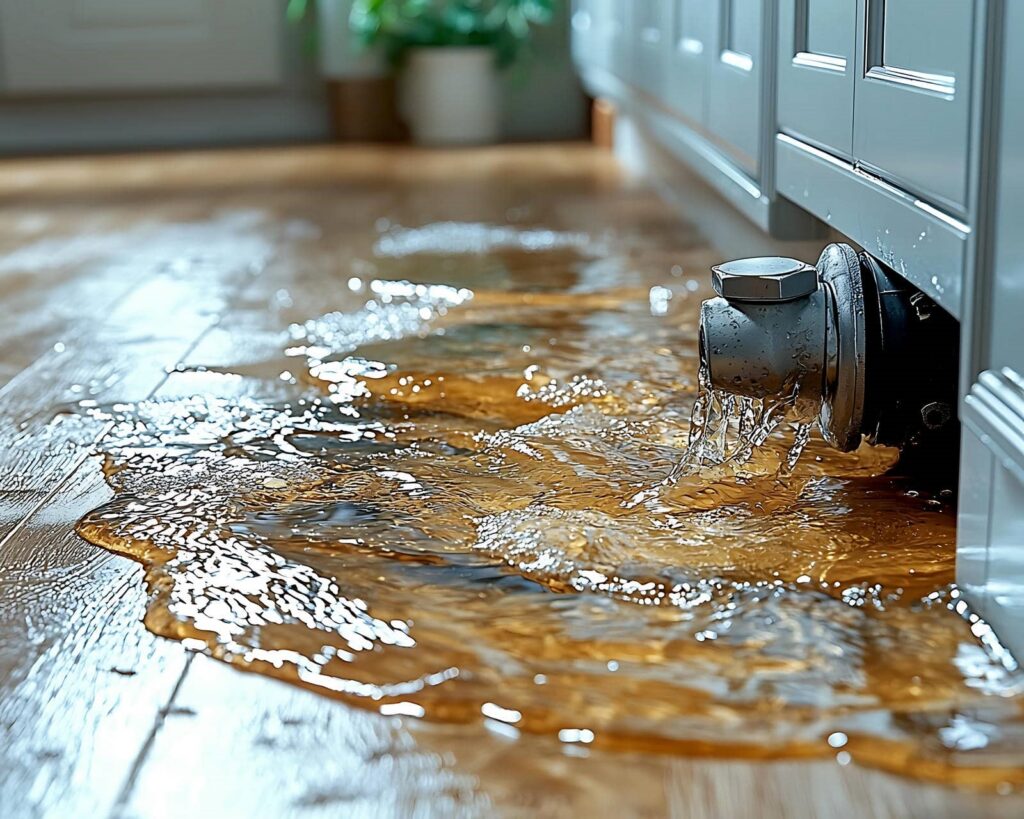
Water damage can strike suddenly, yet its aftermath can linger for weeks. When faced with such an emergency, knowing what to expect from local cleanup professionals is vital. They’re trained to act quickly, assess safety, and mitigate further damage. Understanding the process not only aids in recovery but also helps you navigate the complexities of insurance claims. What essential steps should you anticipate in this challenging situation?
Key Takeaways
- Expect a rapid response team to arrive quickly to assess and address the water damage situation.
- Water extraction services will be performed to remove standing water and minimize further damage.
- Professionals will conduct thorough drying processes to prevent mold growth and structural issues.
- Mold remediation may be necessary if mold is detected during the cleanup process.
- Document all damage and communicate with your insurance provider for a smooth claims process.
What Causes Water Damage?
Water damage can occur for various reasons, often when you least expect it. Common culprits include leaky pipes, which can slowly cause deterioration behind walls.
Storm flooding can overwhelm your property, leading to significant damage. Appliance failure, like a broken washing machine, can release water unexpectedly, while sewage backup poses serious health risks.
Foundation cracks may allow water to seep into your home, creating a damp environment. Roof leaks can result from damaged shingles, and gutter issues can prevent proper water drainage, exacerbating the problem.
Groundwater intrusion might also occur, especially during heavy rains, leaving you vulnerable to various types of water damage. Understanding these causes helps you take proactive measures to protect your home.
Signs You Need Emergency Help
How can you tell if your home is experiencing a water emergency? Look for specific flood indicators and signs of moisture detection. Here are some key signs you shouldn’t ignore:
| Sign | Description | Action Needed |
|---|---|---|
| Stains on Walls | Dark patches indicating water damage | Assess and mitigate |
| Musty Odor | Persistent smell of dampness | Investigate source |
| Warped Flooring | Uneven or buckling floors | Contact a professional |
| Increased Humidity | High humidity levels in the air | Use a dehumidifier |
If you notice any of these signs, don’t hesitate to seek emergency help. Early action can prevent extensive damage and costly repairs. Your home deserves immediate attention!
Immediate Steps to Take After Water Damage
After experiencing water damage, your first priority is safety.
Assess any risks, shut off utilities to prevent further hazards, and document the damage for insurance purposes.
Taking these immediate steps can help mitigate further issues and streamline the recovery process.
Safety First: Assess Risks
Although you may feel overwhelmed following water damage, evaluating risks is essential to confirm safety before starting any cleanup.
Begin with a thorough risk assessment to identify potential hazards. Look for structural damage, electrical issues, or contaminated water, which can pose serious health risks.
Wear appropriate safety gear, like gloves and masks, to protect yourself from mold and bacteria. Ascertain you have a clear escape route in case conditions worsen.
If the damage is extensive, consider involving professionals who can assess risks more accurately and implement effective safety measures.
Shut Off Utilities
In the aftermath of water damage, shutting off utilities should be one of your top priorities. This step is vital for ensuring utility safety and minimizing further damage. Here’s a quick guide to help you navigate this process efficiently:
| Utility Type | How to Shut Off | Safety Tip |
|---|---|---|
| Water | Locate the main valve | Turn slowly to avoid pressure buildup |
| Electricity | Find the main circuit breaker | Avoid water contact |
| Gas | Identify the main shut-off valve | Use a wrench if needed |
Document Damage Thoroughly
Documenting damage thoroughly is critical for effective water damage recovery. Start by taking extensive photographic evidence of all affected areas. Capture close-ups of specific damage, such as soaked materials or structural issues, and wide shots to show the overall extent.
Use document preservation techniques, like keeping receipts for repairs and cleaning services, to support your insurance claim. Note the date and time of the incident, as well as the steps you’ve taken to mitigate further damage.
This information can be essential for insurance adjusters and restoration professionals. By being meticulous in your documentation, you not only help expedite your recovery process but also guarantee you’re supported during this challenging time.
Essential Services in Emergency Water Damage Cleanup
When dealing with emergency water damage, knowing the essential services available can make all the difference in minimizing loss and restoring your property.
First, water extraction is vital; professionals use specialized equipment to remove standing water quickly, preventing further damage.
Next, thorough drying is essential to eliminate moisture trapped in materials. This helps avert mold growth, which can lead to health risks and costly repairs.
Mold remediation follows, where experts identify and remove any mold infestations, ensuring your environment is safe.
Finally, structural repairs may be necessary to restore your property’s integrity.
Understanding these services empowers you to act swiftly and effectively during a crisis, protecting your home and peace of mind.
Choosing the Right Cleanup Professionals
Next, make service comparisons among local providers. Consider their response time, equipment, and customer service. Here’s a quick comparison table to guide you:
| Criteria | Provider A | Provider B |
|---|---|---|
| Response Time | 30 minutes | 45 minutes |
| Certified Technicians | Yes | Yes |
| Satisfaction Rate | 95% | 85% |
Steps in the Water Damage Cleanup Process
Although water damage can be overwhelming, following a systematic cleanup process can greatly mitigate its impact.
Start with water extraction to remove standing water; this step is critical to prevent further damage and reduce drying time.
Next, focus on drying out the affected areas using fans and dehumidifiers.
Once everything’s dry, it’s important to inspect for mold growth. If you find any, initiate mold remediation immediately to protect your health and restore your space.
Finally, clean and sanitize all affected surfaces to eliminate contaminants.
Each step in this process is essential for ensuring a thorough cleanup. By addressing these aspects promptly, you’ll not only restore your home but also create a safer environment for you and your loved ones.
Preventing Future Water Damage
After addressing water damage through cleanup, it’s vital to implement strategies that prevent future incidents.
Start by applying waterproofing techniques to vulnerable areas, such as basements and foundations. Seal cracks and use appropriate coatings to keep moisture at bay.
Regular maintenance is equally important; inspect your plumbing systems periodically for leaks, and make certain gutters and downspouts are clear to direct water away from your home.
Checking your roof for damage can also prevent water infiltration. Additionally, consider installing a sump pump in high-risk areas to manage excess water effectively.
Navigating Insurance for Water Damage Claims
When dealing with water damage, understanding your insurance policy is essential for a smooth claims process.
Start by reviewing your insurance coverage to identify what’s included and excluded, especially concerning water damage. Document the damage with photos and notes, as this evidence is vital for your claim.
Contact your insurance provider promptly to report the incident; they’ll guide you through the claim process and inform you of necessary documentation. Be prepared for an adjuster to assess the damage.
Keep records of all communication and expenses related to the cleanup. Familiarizing yourself with your policy will empower you to navigate the claim process effectively, ensuring you get the compensation you deserve for your water damage.
Frequently Asked Questions
How Quickly Should I Call for Emergency Water Damage Services?
You should call for emergency water damage services immediately after discovering any water intrusion. Quick emergency response guarantees effective water extraction, minimizing damage and preventing mold growth, protecting your home and belongings from further harm.
What Types of Water Damage Are Covered by Insurance?
Most insurance policies cover sudden leaks, burst pipes, and storm-related flooding. However, they often exclude gradual damage or neglect. Review your policy carefully to understand which water damage types fall under your insurance coverage.
Can I Stay in My Home During the Cleanup Process?
You can stay in your home during cleanup, but guarantee cleanup safety and monitor indoor air quality. If mold or strong odors arise, consider relocating temporarily to protect your health and well-being.
What Equipment Is Used in Water Damage Cleanup?
Did you know 98% of basements will experience water damage? During cleanup, you’ll see water extraction pumps and moisture detection devices at work, efficiently removing water and ensuring your home stays safe and dry.
How Can I Identify a Reputable Water Damage Restoration Company?
To identify a reputable water damage restoration company, check customer reviews and confirm they offer service guarantees. Look for certifications and experience, as these indicate professionalism and reliability in handling your restoration needs effectively.
Review
Just like a ship weathering a storm, your home can face turbulent waters. When disaster strikes, knowing how to maneuver the cleanup process is vital. By understanding the essential steps and choosing the right professionals, you can steer your property back to safety. Don’t forget to chart a course for the future by preventing future incidents and maneuvering the insurance waters wisely. With the right approach, you’ll guarantee your home remains a sturdy vessel through any storm.