
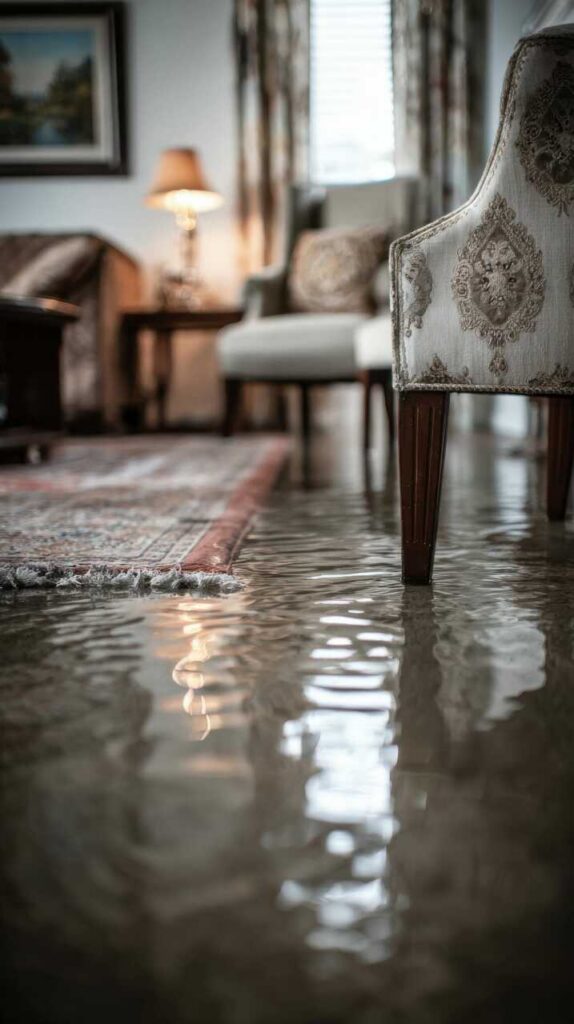
When it comes to emergency water damage insurance, understanding what’s included in your policy is essential. This coverage can protect you from various incidents, but not all incidents may qualify. It’s crucial to know the specifics of your policy, such as the types of water damage that are covered and the exclusions that could leave you vulnerable. As you consider your options, you might wonder about the most common misconceptions surrounding this type of insurance.
Key Takeaways
- Emergency water damage insurance typically covers flood damage from natural disasters and storm-related incidents.
- It includes protection against sewage backups, plumbing failures, and appliance malfunctions like burst washing machines.
- Basement flooding is generally covered, but specific policy details should be verified for coverage limits.
- Many policies may exclude damage from gradual leaks or mold growth, so reviewing exclusions is crucial.
- Separate flood insurance is often necessary for comprehensive protection against all types of water damage.
Why You Need Emergency Water Damage Insurance
When unexpected water damage strikes, you may find yourself facing not just physical destruction but also significant financial burdens. Emergency water damage insurance is essential for safeguarding your home and finances. It offers a safety net, ensuring you’re not left to shoulder costly repairs alone.
In the context of emergency preparedness, this type of insurance becomes a vital part of your risk management strategy. It complements proactive measures like water damage prevention, which can minimize the impact of potential incidents.
Investing in this coverage not only provides peace of mind but also fosters a sense of security within your community. By prioritizing emergency water damage insurance, you’re making a smart choice for both your property and your financial well-being.
What Types of Water Damage Are Typically Covered?
Understanding what types of water damage are typically covered under emergency water damage insurance is vital for homeowners.
You can expect coverage for flood damage due to natural disasters, as well as storm damage impacting your property. Sewage backup and plumbing issues are also generally included, protecting you from costly repairs.
Appliance failure, such as a burst washing machine, often falls within your coverage as well. However, be mindful that gradual leaks and mold growth can be tricky; they may not be covered if deemed preventable.
Basement flooding typically receives coverage, but it’s important to verify your policy specifics. Knowing these details helps you navigate the complexities of your insurance and guarantees you feel secure in your home.
Key Exclusions in Water Damage Insurance Policies
While emergency water damage insurance offers essential protection, it’s important to recognize key exclusions that could leave you vulnerable. Many policies don’t cover damage caused by flooding, which requires separate flood insurance.
If your home experiences water intrusion from outside sources, you may find yourself without coverage. Additionally, mold coverage is often limited or entirely excluded, meaning that any resulting mold growth could lead to significant out-of-pocket expenses.
It’s important to thoroughly review your policy and understand what’s not included. By being aware of these exclusions, you can make informed decisions about additional coverage or endorsements, ensuring you’re fully protected against potential financial setbacks in the event of water damage.
Common Misconceptions About Water Damage Coverage
What do you think you know about water damage coverage? Many people fall for water damage myths that can lead to significant coverage confusion.
For instance, some believe that all types of water damage are automatically covered. In reality, policies often exclude certain incidents, like flooding from natural disasters.
Others think that a simple leak will always be covered, but slow leaks mightn’t qualify if they result from neglect.
Additionally, many don’t realize that separate flood insurance is usually necessary.
Understanding these misconceptions is vital, as they can affect your financial security in a crisis.
Assessing Your Insurance Policy
When evaluating your insurance policy, it’s essential to understand the different types of coverage available for water damage.
You’ll want to identify common exclusions that might leave you vulnerable in a crisis.
This knowledge empowers you to make informed decisions about your protection.
Coverage Types Explained
Understanding your insurance policy’s coverage types is vital, as it directly impacts your ability to recover from water damage.
You’ll typically encounter two key areas: flood insurance and mold coverage. Flood insurance protects against damage from rising water, which standard homeowners’ policies often exclude. If you live in a flood-prone area, having this coverage is critical.
On the other hand, mold coverage addresses issues arising from prolonged moisture exposure, which can lead to health risks and structural damage.
Review your policy carefully to make certain these coverages are included. Knowing what’s covered not only empowers you but also fosters a sense of security within your community, guaranteeing you’re prepared for potential water damage events.
Common Exclusions Noted
While many homeowners believe they’re fully covered for water damage, several common exclusions in insurance policies can leave you vulnerable. A significant factor is water source identification. Many policies exclude damage from gradual leaks or flooding from outside sources, which can be critical when evaluating your risk.
Additionally, policy language clarification is essential; terms like “sudden” or “accidental” can determine coverage limits. For instance, if a pipe bursts but the damage occurred over time, you might find yourself without support.
Understanding these exclusions guarantees you’re not caught off-guard during a crisis. Always review your policy details carefully and consult an agent to clarify any ambiguities regarding coverage. Being informed empowers you to protect your home effectively.
Importance of Additional Coverage Options
When considering emergency water damage insurance, it’s essential to recognize common exclusions that could leave you vulnerable.
You should also explore options for enhancing your policy limits to guarantee adequate coverage.
Common Exclusions To Consider
Although standard emergency water damage insurance can provide essential coverage, it often comes with significant exclusions that might leave you vulnerable. Many policies exclude flood damage, which can be devastating and costly. If your home is near a flood zone, this exclusion is particularly concerning.
Additionally, coverage for plumbing issues may be limited, often requiring you to prove that the damage wasn’t due to lack of maintenance. This can complicate claims when unexpected leaks occur. Without additional coverage options, you risk facing substantial out-of-pocket expenses.
It’s vital to thoroughly review your policy and consider supplemental plans that address these gaps, ensuring you’re truly protected against the various risks associated with water damage.
Enhancing Your Policy Limits
Emergency water damage insurance often leaves gaps due to common exclusions, making it imperative to contemplate enhancing your policy limits with additional coverage options. By considering policy enhancements and coverage upgrades, you can better protect your home from unforeseen water damage costs.
| Policy Enhancement | Description |
|---|---|
| Increased Coverage Limits | Raise your maximum payout limits. |
| Replacement Cost Coverage | Covers full replacement expenses. |
| Additional Living Expenses | Funds for temporary housing. |
| Flood Insurance | Protects against flood damage. |
| Sewer Backup Coverage | Addresses sewer overflow issues. |
Investing in these upgrades not only safeguards your property but also provides peace of mind, fostering a sense of belonging in your community. Don’t leave your home’s future to chance; consider these options today.
Steps to File a Water Damage Insurance Claim
Filing a water damage insurance claim requires careful attention to detail, as the process can greatly impact your coverage outcome. Start by documenting the damage thoroughly; take clear photos and note the date and circumstances. These claim documentation tips are essential in supporting your case.
Next, notify your insurance provider promptly to adhere to the claim filing timeline, which often dictates how quickly you’ll receive assistance. Be prepared to provide all necessary information, including your policy number and a detailed account of the damage.
Finally, keep a record of all communications with your insurer. Following these steps diligently can help guarantee a smoother claim process and improve your chances of a favorable resolution.
Factors Affecting Your Insurance Premiums
Your insurance premiums can fluctuate based on several key factors.
The location of your property, the limits of your coverage, and your claims history all play significant roles in determining costs.
Understanding these elements can help you make informed decisions about your water damage insurance.
Property Location Impact
When considering insurance premiums, the location of your property plays an essential role, as various environmental and regional factors can greatly influence costs. Higher property values in flood-prone or disaster-prone areas typically result in increased premiums.
If your home sits near a body of water, the associated location risks raise the likelihood of water damage, impacting your coverage costs. Additionally, urban areas may face different risks than rural ones, affecting how insurers assess your property.
Understanding these nuances allows you to make informed decisions, ensuring that your coverage aligns with your unique situation. Ultimately, being aware of how location influences your premiums can help you secure the best protection for your investment.
Coverage Limits Considerations
Understanding coverage limits is essential because they directly impact your insurance premiums and the extent of your financial protection.
When reviewing coverage limit definitions, consider how these limits dictate your payout in the event of water damage. If your policy limit adjustments are insufficient, you might face significant out-of-pocket expenses during a claim.
Factors like the type of dwelling, the value of your belongings, and local risks will influence your chosen limits.
Higher coverage limits typically lead to increased premiums, but they also enhance your security.
Balancing adequate coverage with affordability is key to ensuring you’re fully protected without breaking your budget.
Make informed choices to safeguard your home and belongings effectively.
Claims History Influence
Claims history greatly impacts your insurance premiums, reflecting the risk associated with insuring a property. When you file claims, insurers evaluate your claims documentation to assess potential future risks. Frequent claims can lead to higher premiums or even claim denials for subsequent requests.
| Claim Frequency | Premium Impact | Potential Consequences |
|---|---|---|
| 0 Claims | Low | Affordable coverage |
| 1 Claim | Moderate | Slight premium increase |
| 2 Claims | High | Significant hikes |
| 3+ Claims | Very High | Potential denials |
Understanding these dynamics helps you make informed choices. As you navigate your insurance journey, maintaining a clean claims history can foster a sense of security and belonging within your community.
Tips for Preventing Water Damage in Your Home
To effectively prevent water damage in your home, it’s crucial to be proactive rather than reactive.
Implementing a few key strategies can save you from costly repairs and emotional stress. Here are three critical tips:
Regular Inspections: Conduct routine checks for leaks and wear in plumbing, guaranteeing timely leak detection to catch issues before they escalate.
Sump Pumps & Drainage Systems: Install sump pumps in basements and verify proper drainage systems are in place to handle excess water, reducing flood risks.
Moisture Barriers & Appliance Maintenance: Use moisture barriers in vulnerable areas and perform regular maintenance on appliances to prevent unexpected failures.
Should You Talk to an Insurance Advisor?
Why consider consulting an insurance advisor when it comes to water damage coverage?
An insurance advisor can provide valuable insights into your specific needs, ensuring you understand your policy’s nuances.
They highlight insurance advisor benefits, such as tailored recommendations based on your home’s unique risks.
Frequently Asked Questions
Does My Homeowner’s Insurance Cover Gradual Water Damage?
Your homeowner’s insurance typically doesn’t cover gradual water damage, as it often falls outside coverage limits. It’s essential to review your policy thoroughly to understand what specific water damage scenarios are included in your coverage.
Are Sewage Backups Included in Water Damage Coverage?
Sewage damage often isn’t included in standard water damage coverage, leading to policy exclusions. You should review your specific policy details to understand any limitations and consider additional coverage for extensive protection.
How Quickly Must I Report Water Damage to My Insurer?
You should report water damage to your insurer as soon as possible, ideally within 24 hours. Quick action enhances your claim’s success, ensuring timely insurer response and adhering to important water damage timelines for coverage.
Can I Choose My Own Contractor for Repairs?
Yes, you can typically choose your own contractor for repairs, but review your policy for any restrictions. Evaluating contractor selection guarantees you explore all repair options, leading to better outcomes for your property restoration.
What Documentation Is Needed When Filing a Claim?
You’ll need key documentation when filing a claim, including photos of damage, repair estimates, and any relevant receipts. Surprisingly, 70% of claims get delayed due to missing documentation requirements. Stay organized to streamline the claim process.
Summary
Understanding emergency water damage insurance is essential for safeguarding your home. Did you know that nearly 14,000 people experience a water damage emergency every day in the U.S.? This staggering statistic highlights the importance of adequate coverage. By knowing what’s included and excluded in your policy, you can make informed decisions that protect your property and finances. Regularly reviewing your insurance and taking preventive measures can greatly mitigate risks associated with water damage.