
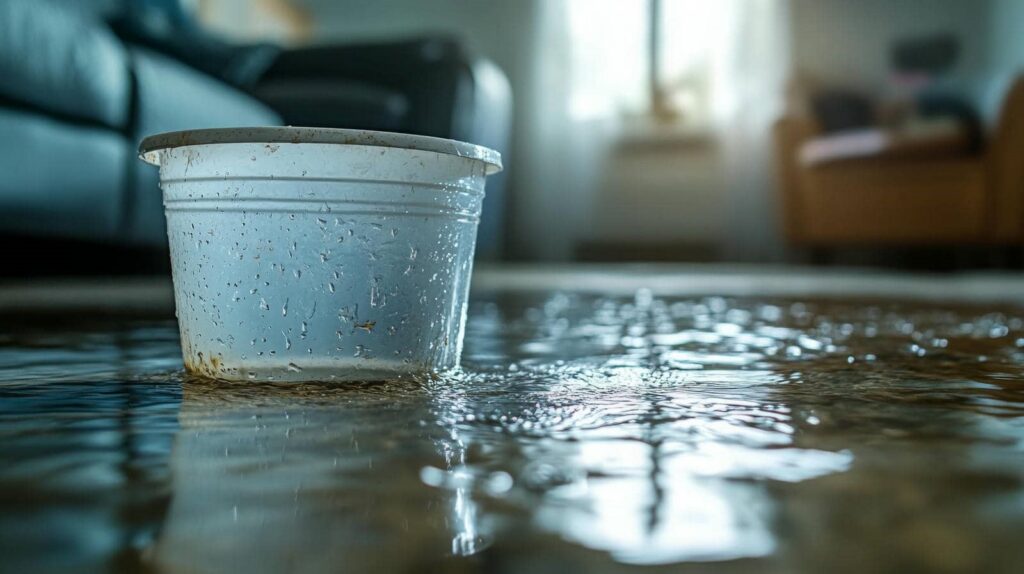
When you face emergency water damage, quick action is essential to protect your property. Start by shutting off the water source to halt further flooding. Next, gather your emergency supplies and prepare to tackle the situation. Knowing how to identify the source and implement immediate actions can make a significant difference. But what steps should you take next to guarantee your belongings are safe and damage is minimized?
Key Takeaways
- Shut off the water source immediately to prevent further flooding and damage.
- Gather emergency supplies like towels, buckets, and a wet/dry vacuum for cleanup.
- Lift furniture and belongings off wet surfaces to minimize damage.
- Ventilate the area by opening windows and using fans to promote drying.
- Document all damaged items for insurance claims and future reference.
How to Identify the Source of Water Damage Quickly
When you notice water damage, it’s essential to act quickly to identify the source. Start with leak detection—check for visible leaks in pipes, fixtures, or appliances.
Often, moisture hides behind walls or under floors, so a thorough moisture assessment is vital. Use a moisture meter to pinpoint areas with elevated levels, signaling potential trouble.
Don’t overlook your roof or gutters; they can often be culprits. Examine the foundation for cracks or pooling water, too.
If you’re unsure, consider consulting a professional for a more detailed inspection. By finding the source early, you can prevent further damage and maintain the integrity of your home, ensuring it remains a safe space for you and your loved ones.
Immediate Actions to Mitigate Damage
As soon as you notice water damage, take immediate action to minimize its impact. Start by shutting off the water source if possible.
Next, gather emergency supplies like towels, buckets, and a wet/dry vacuum to remove standing water. If you can, make temporary repairs to stop further damage—this might mean sealing leaks with waterproof tape or placing a tarp over a roof leak.
Make certain you’re working safely; wear gloves and boots to protect yourself. Ventilate the area by opening windows and using fans to help dry out surfaces.
The quicker you act, the better chance you have of preventing extensive damage and costly repairs. Remember, every step you take counts toward protecting your property.
How to Protect and Salvage Your Belongings
To protect and salvage your belongings after water damage, act quickly to remove items from affected areas.
Start by lifting furniture off wet carpets or flooring to prevent further damage. Use furniture protection like plastic sheets or risers to keep items elevated.
For soft furnishings, try to dry them promptly by using fans or placing them in a well-ventilated area. Employ salvage techniques such as blotting, not rubbing, to remove moisture from fabrics.
For electronics, unplug them immediately and avoid turning them on until completely dry. Document all damaged items for insurance purposes.
When to Call in the Experts for Water Damage?
If you’re facing significant water damage, knowing when to call in the experts can make all the difference. If the water has risen beyond a few inches or if it’s contaminated, don’t hesitate to reach out for flood restoration services.
Professionals have the tools and expertise to handle complex situations safely. Additionally, if you’re unsure about how to navigate insurance claims, they can assist in documenting damage and ensuring you get the coverage you deserve.
If you notice structural damage, mold growth, or lingering moisture, it’s a clear sign that you need help. Acting quickly not only protects your home but also fosters a sense of community, showing you’re not alone in facing these challenges.
Long-Term Solutions to Prevent Future Water Damage
While it’s essential to address immediate water damage, implementing long-term solutions can markedly reduce the risk of future issues.
Start by evaluating your drainage systems; make certain they’re clear and functioning properly to redirect water away from your property. Consider installing additional drains if necessary.
Next, invest in waterproofing techniques, such as sealing your basement and applying protective coatings to your foundation. Regularly inspect and maintain these systems to catch potential problems early.
Finally, landscape your yard thoughtfully, using slopes to guide water away from your home.
Frequently Asked Questions
Can I Use Regular Household Fans to Dry Water Damage?
Yes, you can use regular household fans, but their effectiveness may vary. Pair them with other drying techniques like dehumidifiers for better results, ensuring you tackle moisture quickly and effectively to prevent further damage.
What Types of Insurance Cover Water Damage Claims?
When it rains, it pours—especially with water damage. Home policies often cover leaks, but flood insurance is essential for flood-related issues. Understand your claim process to guarantee you’re protected when disaster strikes.
How Do I Prevent Mold After Water Damage?
To prevent mold after water damage, use effective mold prevention techniques like drying surfaces quickly, improving ventilation, and using dehumidifiers during post water cleanup. Regularly check for moisture to keep your space safe and healthy.
Is It Safe to Stay in My Home During Water Damage?
Staying in your home during water damage isn’t ideal. Prioritize water safety; if conditions worsen, having an evacuation plan guarantees you and your loved ones stay safe while minimizing potential health risks.
What Appliances Are Most at Risk for Water Damage?
Your washing machine, dishwasher, and water heater are most at risk during floods. Regular appliance maintenance can help prevent issues. If you have a flooded basement, act quickly to minimize damage and protect your home.
Recap
In an emergency, acting swiftly can save your sanctuary. Shut off the source, scoop up supplies, and safeguard your stuff. By taking these smart steps, you minimize misery and maximize recovery. Remember, quick cleanup and careful consideration can dramatically diminish damage. If the situation seems serious, don’t hesitate to summon specialists. Prioritizing prompt prevention can protect your property from future floods, ensuring your home remains a haven. Stay proactive and preserve your peace of mind!