
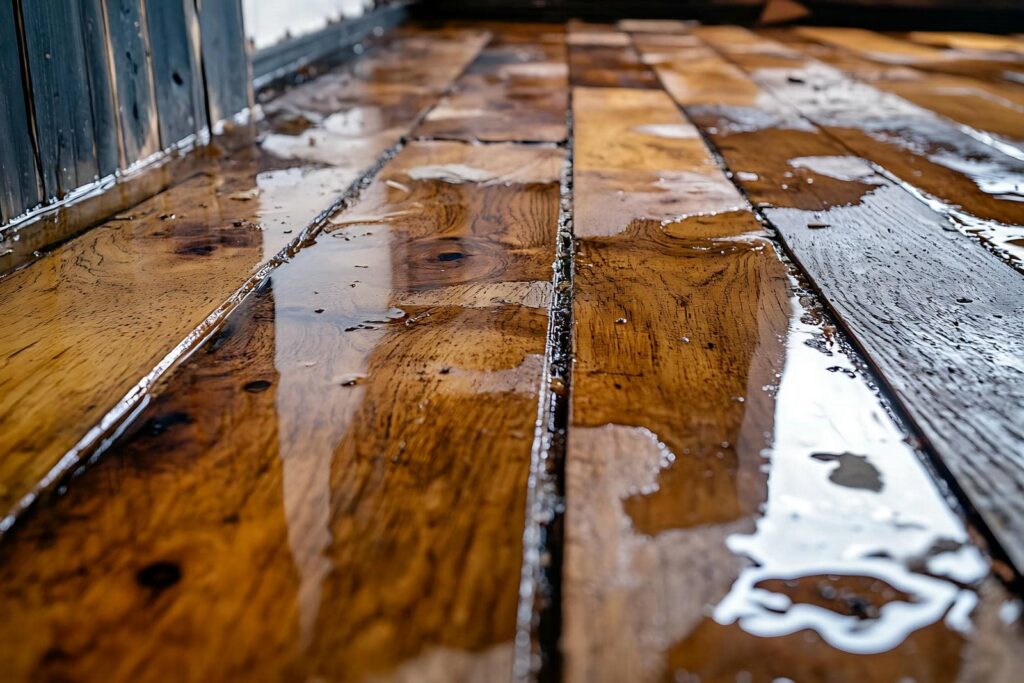
Imagine a bathroom flood that leaves your home soaked. You might wonder how long it’ll take for everything to dry out completely. The timeline can vary greatly based on several factors, including the type of water involved and the extent of the water damage. Understanding these elements is essential for effective recovery. Are you prepared to tackle the complexities of water damage drying times?
Key Takeaways
- Drying time can range from a few days to several weeks, influenced by damage extent and materials affected.
- Clean water dries faster than gray or black water due to lower absorption and permeability.
- Higher humidity slows drying; using dehumidifiers and fans can expedite the process.
- Signs of lingering damage include mold growth, musty odors, and warped materials, indicating the need for professional help.
- Timely action is crucial to prevent structural issues and health risks associated with mold growth and prolonged moisture exposure.
How Long Will It Take for Water Damage to Dry?
How long does it actually take for water damage to dry? The drying time varies based on several factors influencing the process, such as the extent of the damage, humidity levels, and the materials affected.
Generally, you can expect drying to take anywhere from a few days to several weeks.
Effective drying methods play an essential role in speeding up this process. Using dehumidifiers and fans can greatly reduce moisture levels.
Additionally, ensuring proper ventilation helps facilitate quicker evaporation.
Always remember that prompt action is key; the sooner you address the water damage, the faster you can restore your space.
Understanding these elements empowers you to make informed decisions and promotes a sense of community through shared knowledge.
The Different Types of Water Damage: What You Need to Know
While understanding the different types of water damage is essential for effective remediation, it’s important to recognize that not all water damage is the same.
Water damage typically falls into three categories: clean, grey, and black. Clean water comes from uncontaminated sources, like broken pipes, making it easier to manage. Grey water, from appliances or sinks, may contain mild contaminants, requiring more careful handling. Black water, from sewage or floodwaters, poses serious health risks and demands immediate professional intervention.
Identifying these water sources is imperative for damage prevention and determining the appropriate response. Knowing the type of water damage you’re facing not only streamlines the remediation process but also helps protect your home and health effectively.
How Water Type Affects Drying Time
Understanding the type of water involved in damage is essential because it directly impacts the drying time. Water type determines how much water absorption occurs in various materials and their permeability. Clean water typically dries faster than gray or black water, which can harbor contaminants.
Here’s a breakdown of how different water types affect drying:
| Water Type | Water Absorption | Material Permeability |
|---|---|---|
| Clean Water | Low | High |
| Gray Water | Moderate | Moderate |
| Black Water | High | Low |
How Serious Is the Damage? Assessing the Extent?
To assess the seriousness of water damage, you need to evaluate the type of water involved and the areas affected.
Clean water poses less risk than gray or black water, which can introduce harmful contaminants.
Evaluating the extent of damage in various spaces will help determine necessary remediation steps.
Type Of Water Involved
The type of water involved in a damage incident greatly influences the severity and drying time of the affected area.
Water sources can be categorized into three types: clean, gray, and black.
Clean water, from sources like a burst pipe, poses minimal risk and dries relatively quickly.
Gray water, containing some contaminants from sources such as washing machines, requires more careful handling and can take longer to dry.
Black water, from sewage or floodwaters, has the highest contamination level and can lead to serious health risks.
Understanding the type of water involved helps you assess the extent of damage and the urgency of the drying process, ensuring you address the issue effectively and protect your space.
Affected Areas Assessment
When evaluating water damage, you need to assess the affected areas carefully to determine how serious the situation is.
Understanding the water sources and damage categories helps you identify the extent of the problem. Here are some key aspects to contemplate:
Visible Damage: Look for stains, warping, or peeling paint.
Moisture Levels: Use a moisture meter to check hidden areas.
Structural Integrity: Inspect beams and walls for weakness.
Mold Growth: Watch for signs of mold, which can develop quickly.
Electrical Systems: Confirm no damage has occurred to wiring or outlets.
How Humidity and Temperature Affect Drying Times
Although you might not realize it, humidity and temperature play essential roles in drying times after water damage. Effective humidity control and temperature regulation can greatly impact how quickly affected areas dry. Higher humidity slows evaporation, while elevated temperatures can speed it up.
Here’s a quick reference table to illustrate this:
| Humidity (% RH) | Drying Time (Hours) |
|---|---|
| 30-40 | 24-48 |
| 40-50 | 48-72 |
| 50-60 | 72-96 |
| 60-70 | 96-120 |
| 70+ | 120+ |
Drying Stages: How Long Will They Take?
Understanding the drying stages is essential for evaluating how long it will take to restore areas affected by water damage. Typically, the drying process consists of three main stages, each important for effective restoration:
Initial Drying: This stage lasts about 1-2 days, focusing on removing excess moisture with drying equipment.
Intermediate Drying: Expect another 2-4 days as moisture measurement shows progress; air movers and dehumidifiers are critical here.
Final Drying: This stage can take an additional week, ensuring that all materials are thoroughly dried to prevent mold growth.
The duration of each stage may vary based on specific conditions, including humidity levels and the type of materials involved.
Staying informed helps you manage expectations effectively.
Top Tools for Efficient Water Damage Drying
Effective water damage drying relies heavily on specialized tools designed to expedite the process and enhance efficiency. One essential tool is a moisture meter, which helps you accurately assess the moisture levels in various materials, ensuring you know exactly where to focus your efforts. By using this tool, you can avoid unnecessary drying of unaffected areas.
Additionally, selecting the right dehumidifier options is vital. High-capacity dehumidifiers can greatly reduce humidity levels, speeding up the drying process. Look for models with adjustable settings to tailor their performance based on the severity of the water damage.
Combined, moisture meters and dehumidifiers create a thorough approach to effective drying, helping you restore your space efficiently and completely.
When to Call in Professional Help for Water Damage?
If you notice signs of severe damage, like mold growth or structural issues, it’s time to call in professionals.
Complex restoration needs often require specialized equipment and expertise that you mightn’t have.
Acting quickly can prevent further damage and guarantee a more effective recovery.
Signs of Severe Damage
When you notice persistent dampness, unusual odors, or discoloration on walls and ceilings, it’s time to contemplate that you might be facing severe water damage. Ignoring these signs can lead to mold growth and compromise your home’s structural integrity.
Here are key indicators to watch for:
- Peeling paint or wallpaper
- Warped or buckled floors
- Mold patches on surfaces
- Stains or spots on ceilings
- Increased humidity levels indoors
If you recognize any of these issues, don’t hesitate. Calling in professional help is essential to mitigate further damage and guarantee a safe living environment.
Addressing severe water damage promptly protects your home and maintains its value.
Complex Restoration Needs
While minor water damage might seem manageable, complex restoration needs often require professional intervention to guarantee thorough recovery. When you face extensive damage, evaluating the situation quickly can save time and money. Here’s a quick guide to when to call in the experts:
| Situation | Recommended Action |
|---|---|
| Significant flooding | Emergency response required |
| Mold growth observed | Immediate professional help needed |
| Structural damage evident | Consult restoration specialists |
Utilizing advanced restoration techniques, professionals can effectively address these issues. Don’t hesitate to reach out when the damage surpasses your capabilities; timely action can prevent further complications and guarantee a safe, dry environment.
Signs Your Home Still Has Water Damage
How can you tell if your home still has lingering water damage? It’s vital to recognize the signs to prevent further issues. Look for these indicators:
Mold growth: Dark spots or patches in damp areas.
Lingering odors: Musty smells that don’t dissipate.
Peeling paint or wallpaper: Signs of moisture trapped beneath surfaces.
Warped flooring or walls: Buckling or bowing materials indicate prolonged exposure.
Increased humidity: A noticeable rise in moisture levels inside your home.
If you notice any of these signs, it’s essential to address them promptly.
Ignoring lingering water damage can lead to more severe structural issues and health risks.
Taking action now can help maintain a safe and comfortable environment for you and your family.
Tips to Speed Up the Drying Process
Addressing lingering water damage promptly can considerably reduce the risk of further complications.
To speed up the drying process, start by using a dehumidifier. This tool effectively removes moisture from the air, creating a drier environment that promotes faster evaporation.
Next, implement proper ventilation techniques. Open windows and doors to enhance airflow, or use fans to circulate air throughout affected areas.
Consider the temperature too; warmer air holds more moisture, so heating the space can accelerate drying.
Finally, identify and remove any wet materials, like carpets or furniture, to prevent mold growth.
Frequently Asked Questions
Can I Use Regular Fans for Drying Water Damage?
Yes, you can use regular fans, but their efficiency may be limited. For ideal results, combine them with other drying techniques like dehumidifiers to enhance airflow and accelerate the drying process effectively.
Will Water Damage Affect My Home’s Value?
Yes, water damage can negatively impact your home’s value. During a home appraisal, signs of damage might lead to property depreciation, affecting your investment. Addressing issues promptly can help preserve your home’s worth and appeal.
How Do I Prevent Future Water Damage?
To prevent future water damage, guarantee your drainage systems are clear and functional. Employ effective waterproofing techniques, like sealing cracks and using barriers, to protect your home and maintain its value for years to come.
Is Mold a Concern After Water Damage?
Yes, mold’s a significant concern after water damage. To prevent mold growth, act quickly by drying affected areas, using dehumidifiers, and maintaining proper ventilation. Implementing these prevention strategies can safeguard your home and health.
What Insurance Covers Water Damage Restoration?
Homeowner’s insurance often covers water damage restoration, especially if it results from sudden incidents like a burst pipe. Reviewing your insurance policies guarantees you understand coverage limits, helping you avoid unexpected out-of-pocket expenses.
To Sum Up
Swift and strategic steps can greatly shorten drying times after water damage. By understanding the various water types, evaluating the severity, and utilizing the right tools, you can tackle the task effectively. Don’t delay; decisive action can deter deterioration and distress. If you notice lingering issues, don’t hesitate to seek professional support. Remember, the sooner you act, the better your chances of restoring your space and preventing more problems down the line.