
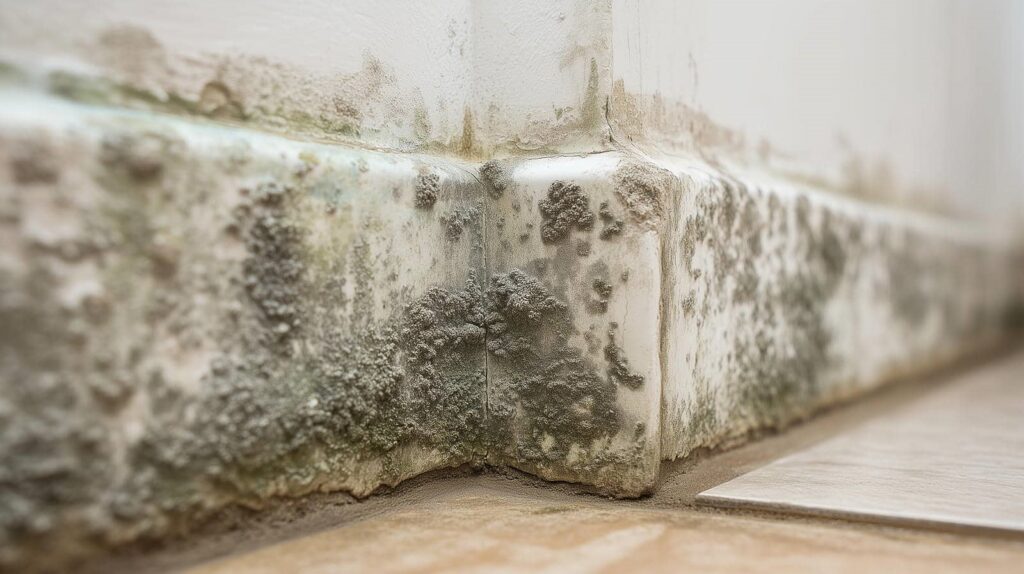
Dealing with mold can feel overwhelming, yet navigating the mold remediation services insurance claim process shouldn’t add to your stress. Understanding the steps involved is vital for a successful outcome. From documenting damage to communicating effectively with your insurer, every detail matters. You’ll need to know exactly how to present your case and avoid common pitfalls. As you consider your approach, it’s essential to grasp what documentation will truly strengthen your claim.
Key Takeaways
- Begin by reviewing your insurance policy to understand coverage specifics related to mold damage and remediation services.
- Document the damage thoroughly with photos, detailed notes, and a damage assessment report for a stronger claim.
- Promptly contact your insurance provider to initiate the claims process and clearly communicate the situation’s urgency.
- Include all relevant documentation, such as invoices, receipts, and a remediation plan outlining proposed methods.
- Avoid common mistakes like delaying notification or failing to consult a mold remediation expert to ensure successful claims processing.
What Homeowners Should Know About Mold Remediation
When you discover mold in your home, understanding the remediation process is vital to protecting your property and health. Mold can lead to various health effects, including respiratory issues and allergic reactions, making swift action imperative.
Start by identifying the source of moisture—leaky pipes or high humidity levels often contribute to mold growth. Implementing mold prevention tips, like using dehumidifiers and ensuring proper ventilation, can greatly reduce your risk.
Once you’ve addressed the moisture source, consider professional remediation services to thoroughly clean and remove the mold. They’ll make certain the affected areas are treated correctly to prevent future growth.
Staying informed and proactive about mold management safeguards your home and enhances your overall well-being.
How to Document Damage for Mold Remediation Claims
Although discovering mold can be distressing, documenting the damage accurately is essential for a successful remediation insurance claim.
Start by using effective mold identification techniques, such as visual inspections and moisture meters, to pinpoint the extent of the issue.
Take clear, date-stamped photographs of the affected areas, capturing both the mold and any structural damage it may have caused.
Make detailed notes on the remediation cost factors, including estimates for cleanup, repairs, and any necessary preventive measures.
Keep records of communications with professionals and your insurance company to support your claim.
Filing Your Mold Remediation Insurance Claim
Start by reviewing your policy to understand your insurance coverage, focusing on what mold types are included. Not all policies cover every type of mold, so knowing your specifics is essential.
Documenting the damage thoroughly aids in supporting your claim; take photos and keep records of any related expenses.
Contact your insurance provider promptly to initiate the claim process, and clearly communicate the situation, emphasizing the urgency due to potential health risks.
Be prepared to provide any required information about the mold types present.
This proactive approach helps streamline your claim and fosters a sense of community in addressing a common issue.
Essential Documentation for Mold Remediation Claims
To ensure a successful mold remediation claim, you must gather essential documentation that clearly outlines the extent of the damage and the remediation efforts required.
Proper documentation strengthens your claim and helps convey the seriousness of the situation.
- Damage Assessment Report: Detail the mold types found and the affected areas, including photos for visual evidence.
- Remediation Plan: Include a thorough outline of the proposed remediation methods, specifying any industry standards to be followed.
- Invoices and Receipts: Keep all related receipts and invoices from any initial assessments or remediation efforts already undertaken.
Mistakes to Avoid in Mold Remediation Claims
When managing the mold remediation claims process, avoiding common pitfalls can greatly impact your claim’s outcome. One major mistake is underestimating the importance of thorough documentation. Many people fall into common misconceptions, believing that a simple photo is enough. In reality, detailed records of damage, remediation efforts, and invoices are essential to support your claim.
Another critical error is failing to notify your insurance company promptly. Delays can lead to unnecessary claim denials.
Additionally, don’t overlook reading your policy carefully; understanding your coverage helps avoid missteps.
Finally, consider consulting a professional mold remediation expert who can provide insights and assist with the claims process. By steering clear of these mistakes, you’ll enhance your chances of a successful claim.
Frequently Asked Questions
How Long Does the Mold Remediation Process Typically Take?
Typically, the mold remediation process takes three to seven days, depending on the extent of mold growth. Understanding the remediation timeline helps you prepare and ensures a thorough, effective resolution for your space.
Will My Insurance Cover Mold Caused by Neglect?
Your insurance likely won’t cover mold caused by neglect. Review your policy details for exclusions. To prevent future issues, consider implementing mold prevention tips like proper ventilation and regular maintenance of your home’s plumbing.
Can I Choose My Own Mold Remediation Contractor?
Yes, you can choose your own mold remediation contractor, but check your insurance policy guidelines first. They might have specific requirements or preferred providers that could affect your claim and the selection process.
What if My Insurance Claim Is Denied?
If your insurance claim’s denied, explore claim appeal strategies. Review your policy’s nuances, gather supporting evidence, and consider consulting a professional. This approach can enhance your chances of a successful appeal and restore your peace of mind.
Are There Specific Mold Types That Insurance Covers?
Some mold types, like black mold, might be covered by insurance policies, while others aren’t. It’s essential to review your policy carefully, as coverage varies and can feel like maneuvering through a dense fog.
Summary
Maneuvering through the mold remediation insurance claim process can feel like climbing Mount Everest, but with the right approach, you can reach the summit. By documenting damage meticulously and understanding your policy, you set yourself up for success. Remember, clear communication and professional assistance can greatly bolster your claim. Avoid common pitfalls, and you’ll be well on your way to a favorable resolution. Take control of the situation, and you’ll conquer the mold challenge like a pro!