
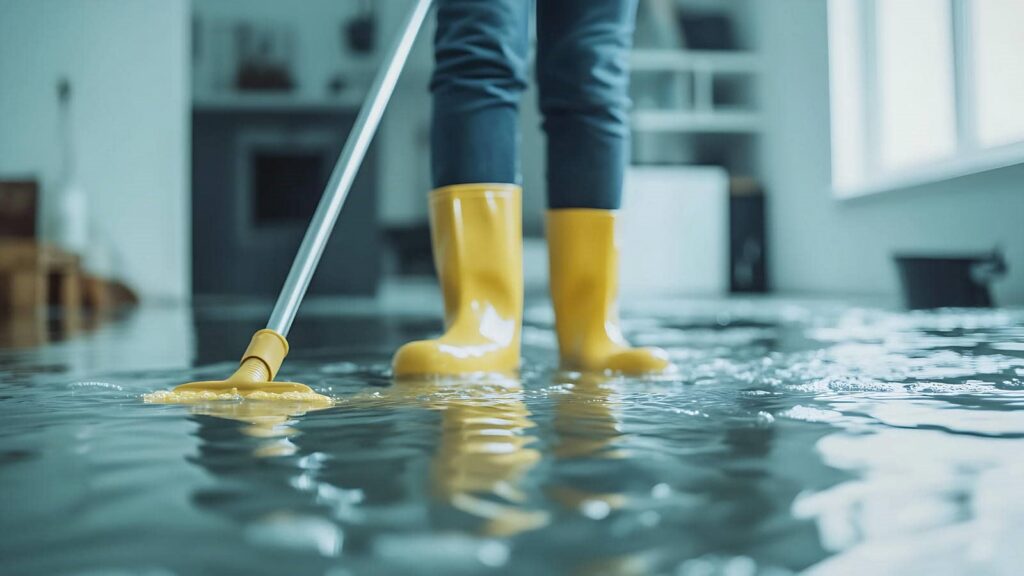
When emergency water damage strikes, evaluating the situation, shutting off utilities, and documenting the damage are essential steps. You need to act quickly and methodically to minimize further risks. It’s overwhelming, but understanding your options can greatly ease the burden. Knowing how to safely remove excess water and dry out affected areas will make a difference. What comes next could determine your home’s recovery and your peace of mind.
Key Takeaways
- Assess and document water damage with photos and notes for insurance claims, noting the date and circumstances of the incident.
- Shut off utilities, including the main water valve and power supply, to prevent further damage and hazards.
- Remove excess water using towels, mops, and a wet/dry vacuum, then dry affected areas to prevent mold growth.
- Conduct regular inspections of plumbing, roofing, and foundations to identify and address potential water intrusion risks.
- Install water detectors for early leak detection, enhancing home resilience and reducing future water damage risks.
How to Safely Assess Water Damage
When you face water damage, it’s vital to assess the situation safely before taking further action.
Start with water source identification; locate where the leak or flooding originated. This step is important for effective damage assessment techniques.
Check for visible signs of damage, like warped walls or damp flooring, and use moisture meters if available. Pay attention to hidden areas, such as behind cabinets or under carpets, where water could be lurking.
Document everything with photos and notes, as this information can be invaluable for insurance claims.
Remember, you’re not alone in this; many have faced similar challenges and found ways to recover.
Shut Off Utilities to Stop More Damage
When water damage strikes, your first step should be to shut off utilities to prevent further complications.
Locate the main water valve to stop any leaks, then switch off the power supply to avoid electrical hazards.
Finally, verify gas lines are safely disconnected to eliminate fire risks and protect your home.
Locate Main Water Valve
As soon as you notice water damage, locating the main water valve becomes vital for minimizing further issues. A swift water shutoff can prevent extensive damage and costly repairs. Typically, the valve’s location is near your water meter or where the main line enters your home. Familiarizing yourself with this important point can save you time and stress during emergencies.
| Step | Action | Notes |
|---|---|---|
| 1. Identify Valve | Find the main water valve | Look near the water meter |
| 2. Shut Off Water | Turn the valve clockwise | Make sure it’s fully closed |
| 3. Check for Leaks | Inspect pipes and areas | Look for any remaining leaks |
Taking these steps can help you regain control and protect your home.
Switch Off Power Supply
After securing the main water valve, your next step is to switch off the power supply to prevent further damage. This action is essential for emergency preparedness and guarantees water safety within your home.
When electrical systems come into contact with water, the risk of shock or fire increases dramatically. By shutting off the power, you’re not just protecting your property; you’re also safeguarding your loved ones.
Locate the main circuit breaker and turn it off. If you’re unsure which switches to flip, don’t hesitate to seek help.
In moments like this, taking proactive measures fosters a sense of community and belonging. Remember, you’re not alone in facing these challenges support is often just a call away.
Disconnect Gas Lines Safely
While you’re managing the aftermath of water damage, disconnecting gas lines is essential for preventing further hazards.
If you smell gas or hear a hissing sound, evacuate immediately and follow emergency procedures.
Prioritize gas line safety by locating your gas meter and knowing how to turn it off. Usually, you’ll need a wrench; turn the valve a quarter turn until it’s perpendicular to the pipe.
If you’re uncertain, don’t hesitate to contact a professional. Remember, safety is paramount.
Your home and well-being matter, and taking these steps can help protect you and your loved ones from potential disasters.
Once everything is secure, you can focus on restoring your home, knowing you’ve taken the right precautions.
Document Damage for Your Insurance Claim
When water damage strikes, documenting the extent of the destruction becomes essential for your insurance claim. Start by taking clear photos of affected areas, ensuring you capture structural damage, personal belongings, and any visible mold.
Make notes of the date, time, and circumstances surrounding the incident, as this context supports your insurance documentation. If you’ve hired professionals for cleanup or repairs, keep their invoices and any correspondence.
This thorough approach not only strengthens your claim but also helps you feel more in control of an overwhelming situation. Remember, the claim process can be complex, but detailed documentation can ease your journey toward recovery and restoration, allowing you to regain a sense of normalcy in your life.
Remove Excess Water Quickly and Safely
After water damage, it’s essential to act quickly to minimize further issues.
Start by using towels and mops to absorb as much water as possible, then utilize a wet/dry vacuum for a more thorough removal.
This immediate action not only protects your belongings but also helps prevent mold growth and structural damage.
Use Towels and Mops
Act swiftly to tackle water damage by using towels and mops to remove excess water.
Start with towel techniques: choose absorbent towels and press them firmly into wet areas. This helps draw out moisture effectively. Rotate and replace the towels as they become saturated, ensuring you’re making progress.
For larger areas, mop methods come into play. Use a clean mop to cover more ground, soaking up water efficiently. Remember to wring out the mop frequently to avoid redistributing moisture.
While it may feel overwhelming, each step you take helps protect your space. You’re not alone in this; many have faced similar challenges and found their way back to comfort.
Your efforts now can make all the difference.
Utilize Wet/Dry Vacuum
A wet/dry vacuum can be your best ally in removing excess water quickly and safely. Utilizing effective suction methods, this tool helps you tackle significant water damage efficiently.
Start by selecting the right attachments; a wide nozzle can maximize your vacuuming area. Implement wet vacuuming techniques, moving slowly across the affected area to guarantee thorough extraction.
Don’t forget to empty the vacuum frequently to maintain its power and efficiency. As you work, remember that you’re not just cleaning up; you’re protecting your home and belongings.
It’s an intimidating task, but with each scoop of water removed, you’re taking control of the situation. You’re not alone in this—many have faced similar challenges and found success with a wet/dry vacuum.
How to Dry Out Affected Areas
Begin by evaluating the extent of the water damage, as this will guide your drying efforts.
Once you’ve assessed the situation, prioritize moisture control. Remove any soaked materials, like carpets or furniture, to prevent mold growth.
Next, enhance air circulation by opening windows and using fans to promote evaporation. Dehumidifiers can also be invaluable, drawing moisture from the air.
Aim for a consistent airflow to help dry out affected areas efficiently. Keep an eye on humidity levels, ensuring they stay low to discourage mold.
How to Choose a Water Damage Restoration Professional
Once you’ve dried out the affected areas, it’s time to contemplate professional help for water damage restoration.
Start by researching companies with solid water restoration certifications; this guarantees they meet industry standards. Check their emergency response time—quick action can prevent further damage and save you money.
Read reviews from others who’ve faced similar situations; their experiences can guide you toward reliable professionals. Don’t hesitate to ask questions about their processes and equipment, as transparency is key.
Finally, choose a team that understands your concerns and makes you feel supported throughout the restoration journey. Finding the right partner can greatly ease your stress, allowing you to move forward and reclaim your space.
Tips to Prevent Future Water Damage
Water damage can strike unexpectedly, but there are several proactive measures you can take to minimize future risks.
By implementing preventive measures, you not only protect your home but also foster a sense of security for your loved ones.
Here are three essential tips:
Conduct Regular Inspections: Check your home’s plumbing, roof, and foundation for signs of wear and tear. Early detection can save you from bigger problems.
Maintain Gutters and Downspouts: Make sure they’re clean and directing water away from your home to prevent pooling.
Install Water Detectors: These devices alert you to leaks before they escalate, providing peace of mind.
Taking these steps can markedly reduce the chances of future water damage, allowing you to feel more at home in your space.
Frequently Asked Questions
Can I Stay in My Home During Water Damage Cleanup?
You can stay in your home during cleanup, but prioritize safety. If conditions worsen or if mold develops, consider temporary housing. Your well-being is essential; make certain you’re comfortable and secure throughout the process.
How Long Does It Take for Water Damage to Show?
Water damage can show within hours, but the timeline varies. You might notice early signs like discoloration or a musty smell. Staying alert helps prevent further issues and keeps your home safe and welcoming.
What Types of Insurance Cover Water Damage?
Homeowners policies often cover water damage, but check for exclusions. Renter’s coverage may help too. Consider flood insurance for specific risks and water backup coverage for additional protection against unexpected issues. Stay informed for your safety.
Are There Health Risks Associated With Water Damage?
Yes, there are significant health risks associated with water damage. Mold growth can trigger respiratory issues, impacting your well-being. It’s essential to address these problems promptly to guarantee a safe, healthy environment for you and your loved ones.
How Can I Identify Hidden Water Damage?
You can identify hidden water damage by using water detection tools and conducting a thorough moisture assessment. Check walls, ceilings, and floors for discoloration, mold, or unusual dampness, ensuring your home feels safe and welcoming.
To Sum Up
After an emergency water damage incident, acting swiftly is essential. You’ve navigated the chaos, documented the damage, and tackled the cleanup. Just like a knight wouldn’t head into battle without armor, don’t forget to safeguard your home for the future. By implementing preventive measures and considering professional help, you’ll fortify your space against potential threats. Remember, being proactive now can save you a world of headaches later. Stay vigilant, and keep your home safe and sound.