
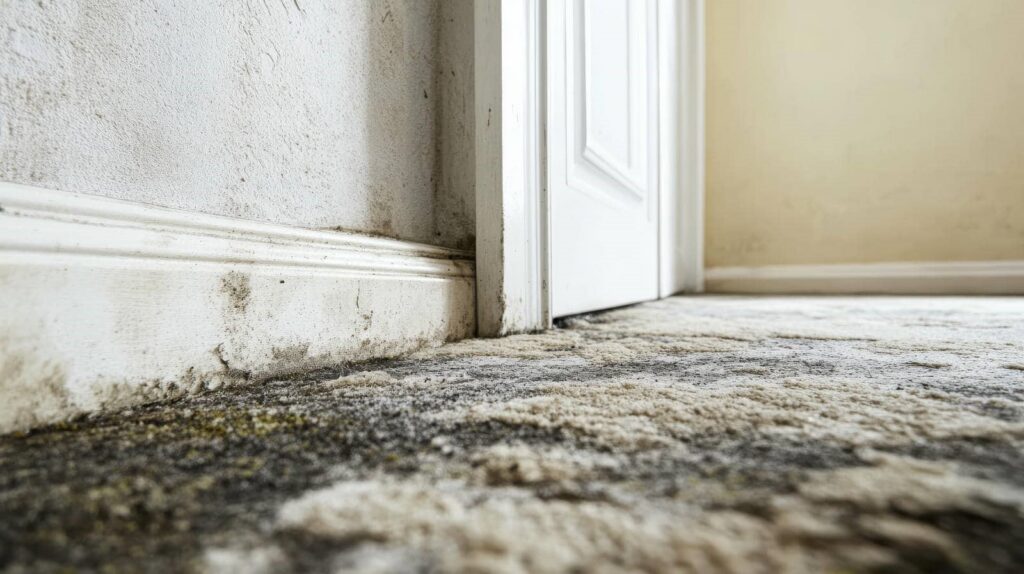
Imagine a hidden thief lurking in the shadows, ready to wreak havoc on your home—this is mold after water damage. In these situations, mold remediation services after water damage are essential, as mold can spring up within just 24 to 48 hours, leading to serious health risks and structural issues. Understanding how to identify mold growth and the necessary remediation process is vital. You might be wondering what steps professionals take to ensure your home is safe again. Let’s explore the critical aspects of mold remediation services.
Key Takeaways
- Mold can develop within 24 to 48 hours after water damage, making prompt remediation essential for safety and health.
- Visible signs like dark spots, musty odors, and water stains indicate potential mold growth needing immediate attention.
- Professional mold remediation includes thorough inspections, advanced containment techniques, and effective removal strategies to ensure success.
- Costs for mold remediation vary, with minor infestations ranging from $500 to $1,500 and major issues costing between $3,500 and $7,000.
- Post-remediation testing confirms the effectiveness of the cleanup and ensures the area is safe for occupants.
Why Mold Growth After Water Damage Is a Serious Concern
When water damage occurs, it’s essential to act quickly, as mold growth can begin within 24 to 48 hours.
Mold spores thrive in damp environments, making moisture control vital in preventing their proliferation. If you don’t address excess moisture immediately, you risk creating a breeding ground for mold, which can adversely impact your health and property.
Mold isn’t just unsightly; it can cause respiratory issues and allergic reactions. Additionally, the longer you wait to remediate, the more extensive and costly the damage can become.
By understanding the serious implications of mold growth, you can foster a safer environment for yourself and your loved ones.
Prioritizing prompt action ensures you maintain a healthy living space and protect your investments.
How to Identify Mold Growth After Water Damage
Identifying mold growth after water damage is essential for maintaining a safe environment.
Start by checking for visible signs of mold, such as dark spots or fuzzy growth on surfaces. Pay attention to musty odors, which often indicate hidden mold.
Utilize mold detection methods like moisture meters to identify damp areas that may harbor mold spores. Inspect behind walls, under carpets, and in attics or basements, as these spaces are prone to moisture accumulation.
If you notice water stains or peeling paint, that’s another sign of potential mold growth. Acting quickly can prevent further contamination and health risks, ensuring your space remains comfortable and safe for you and your family.
Step-By-Step Mold Remediation Process You Can Expect
After spotting mold growth, it’s vital to address the issue promptly and effectively. First, you’ll need to contain the affected area to prevent spores from spreading.
Next, assess the mold lifecycle by identifying the source of moisture and eliminating it. Once that’s done, you can proceed with safe removal, using appropriate protective gear.
Cleaning surfaces with specialized solutions helps ensure all mold is eradicated. Finally, it’s essential to dry the area thoroughly to discourage future growth.
The remediation benefits include improved indoor air quality and a healthier living environment. By following this step-by-step process, you eliminate mold and create a safer space for you and your loved ones.
How Professionals Ensure Safe Mold Containment and Removal
To ensure safe mold containment and removal, professionals start with a detailed inspection process that identifies all affected areas.
They then implement advanced containment techniques to prevent spores from spreading during removal.
Finally, effective removal strategies target the source of the mold, ensuring a complete and safe remediation.
Comprehensive Inspection Process
When tackling mold issues, understanding the thorough inspection process is essential for effective containment and removal. Professionals utilize specific inspection techniques to identify mold’s presence, evaluating both visible and hidden areas.
They perform a detailed mold evaluation, checking for moisture sources, air quality, and potential growth spots. Infrared cameras and moisture meters help detect hidden dampness, ensuring no mold is overlooked.
Advanced Containment Techniques
As mold remediation specialists tackle the challenges of mold removal, they employ advanced containment techniques that secure safety and efficiency. You’ll notice they use advanced filtration systems, which effectively capture airborne spores, preventing them from spreading to unaffected areas. These systems are essential in maintaining indoor air quality during the remediation process.
Additionally, professionals utilize effective sealing methods to isolate contaminated zones. This includes using plastic sheeting and specialized tape to create barriers that contain mold growth.
Effective Removal Strategies
While effective mold remediation relies heavily on advanced containment techniques, the actual removal strategies employed by professionals are equally vital for ensuring safety and thoroughness.
Professionals utilize various mold removal techniques tailored to the specific situation, often starting with HEPA vacuuming to capture airborne spores. They then apply antifungal treatments and sealants to prevent future growth.
In residential mold solutions, it’s important to address the source of moisture, making sure the area is completely dry before remediation.
Professionals also wear protective gear to minimize exposure, safeguarding both themselves and your home.
Why You Should Hire Certified Mold Remediation Experts
Hiring certified mold remediation experts is essential for effectively mitigating health risks associated with mold exposure.
They utilize specialized equipment designed to safely contain and remove mold, ensuring thorough decontamination of your space.
Relying on their expertise protects your health and ensures compliance with industry standards.
Health Risks Mitigation
Mold can pose considerable health risks, and addressing it effectively requires expertise.
Certified mold remediation experts understand the nuanced health impacts associated with mold exposure, including respiratory issues and allergic reactions.
They implement targeted prevention strategies tailored to your specific environment, considerably reducing the likelihood of mold recurrence.
Proper Equipment Utilization
Certified mold remediation experts utilize specialized equipment designed for effective mold removal and prevention. This equipment includes advanced tools and adheres to stringent safety protocols, ensuring a thorough and secure process. You’ll benefit from their expertise in using the right equipment types for your specific situation, which greatly reduces health risks associated with mold exposure.
| Equipment Type | Purpose |
|---|---|
| HEPA Vacuums | Removes mold spores effectively |
| Dehumidifiers | Reduces moisture levels |
| Air Scrubbers | Cleans air of contaminants |
| Moisture Meters | Identifies damp areas |
| Protective Gear | Ensures worker safety |
Tips for Preventing Future Mold Growth
To effectively prevent future mold growth, it’s essential to maintain a dry, well-ventilated environment in your home.
Start with moisture control by fixing leaks and using dehumidifiers to keep humidity levels below 60%.
Ensure proper air circulation by opening windows and running fans, especially in areas prone to dampness.
Invest in effective ventilation systems that exchange stale air for fresh air.
Regular inspections of building materials, particularly in basements and attics, help catch mold early.
Implement landscaping techniques that direct water away from your home’s foundation.
These preventative measures create an inhospitable environment for mold, fostering a healthier living space for you and your family.
Stay vigilant, and your efforts will pay off in mold-free peace of mind.
What Will Mold Remediation Cost?
How much can you expect to spend on mold remediation? The costs can vary greatly based on several cost factors, including the extent of the mold infestation, the need for mold inspection, and the method of remediation. Here’s a breakdown to guide you:
| Cost Factor | Estimated Cost Range | Notes |
|---|---|---|
| Mold Inspection | $200 – $600 | Necessary for accurate assessment |
| Minor Remediation | $500 – $1,500 | Small areas, DIY options |
| Moderate Remediation | $1,500 – $3,500 | Larger infestations |
| Major Remediation | $3,500 – $7,000 | Extensive damage |
| Post-Remediation Testing | $200 – $400 | Confirms effectiveness |
Understanding these factors helps you plan effectively.
Frequently Asked Questions
How Long Does Mold Remediation Typically Take?
Mold remediation typically takes one to five days, depending on mold growth and chosen remediation methods. Factors like the affected area’s size and severity influence the timeline, so expect variability based on your specific situation.
Can I Stay in My Home During Remediation?
You shouldn’t stay during remediation due to potential mold exposure and health risks. The remediation process requires safety precautions that may not be feasible with occupants present, ensuring a thorough and safe environment for everyone involved.
What Should I Do Before Remediation Starts?
Preparing for remediation’s like gearing up for a marathon. Follow your pre-remediation checklist: remove personal items, ensure safety precautions are in place, and seal off affected areas to protect your space and health.
Will My Insurance Cover Mold Remediation Costs?
Your insurance policies might cover mold remediation costs, but it depends on coverage limits and the mold types involved. Review your policy details to understand specific remediation processes and any exclusions that may apply.
How Can I Tell if Mold Is Completely Removed?
You can tell mold’s completely removed by conducting mold testing and performing a thorough visual inspection. Remember, “an ounce of prevention is worth a pound of cure.” Stay vigilant to maintain a healthy environment.
Final Thoughts
In the wake of water damage, mold can spread like wildfire, turning a minor issue into a major health concern. Think of mold as an uninvited guest that overstays its welcome—if you don’t act quickly, it settles in and wreaks havoc. By investing in professional mold remediation services, you’re not just eliminating a nuisance; you’re safeguarding your home and health. Don’t let mold take root—prioritize prompt action to ensure a safe, mold-free environment for you and your family.