
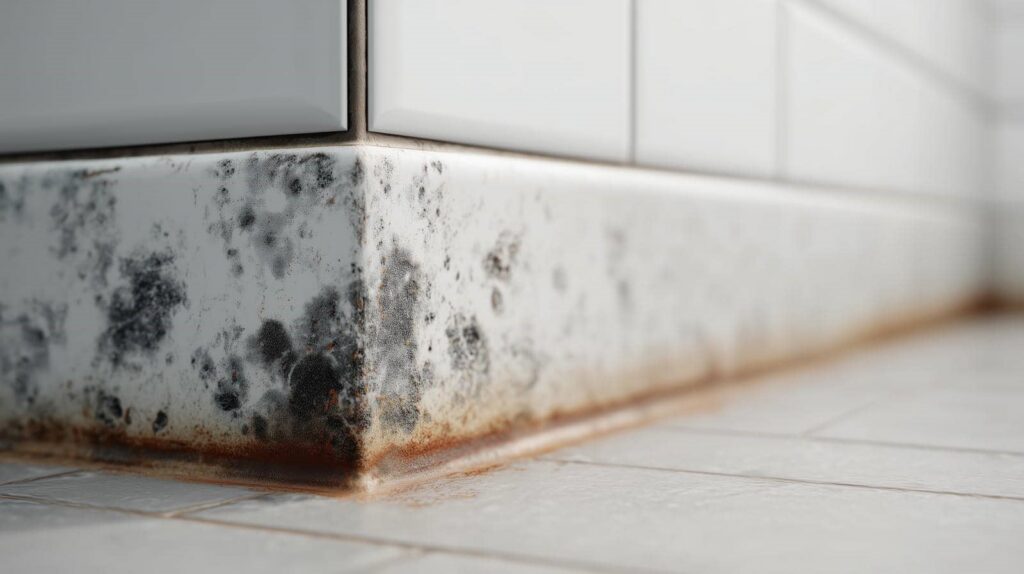
Attic mold can quietly undermine your home’s integrity while simultaneously posing health risks to your family. In these cases, mold remediation services for attic mold become essential, as ignoring the issue isn’t an option and the consequences can escalate quickly. Understanding the signs and knowing when to act are critical for effective remediation. You’ll find that selecting the right service and grasping the remediation process can make all the difference in safeguarding your property and loved ones. What steps should you take next to tackle this pressing concern?
Key Takeaways
- Hire certified mold remediation services with over 5 years of experience to ensure effective treatment of attic mold issues.
- Look for positive customer reviews (4 stars and above) to gauge the reliability of potential contractors.
- Ensure the contractor has adequate insurance coverage for liability and worker’s compensation to protect your interests.
- The remediation process should include thorough inspections, moisture evaluation, and effective removal techniques to prevent further mold growth.
- Implement preventive measures like improving ventilation and regular inspections to maintain a mold-free attic environment.
Why You Should Address Attic Mold Immediately
While you might think attic mold is just a minor issue, addressing it immediately is crucial for your home’s health.
Mold poses significant health risks, including respiratory problems and allergic reactions, which can affect your family’s well-being. Ignoring mold can also lead to extensive property damage, compromising your home’s structure and potentially resulting in costly repairs.
The longer you wait, the more difficult and expensive remediation becomes. By tackling the problem early, you protect your loved ones and preserve your investment.
Creating a safe, healthy environment is essential for fostering a sense of belonging.
Signs of Mold in Your Attic
In your attic, visible mold growth and a musty odor are key indicators of a problem.
If you spot dark spots on beams or insulation, or notice an unpleasant smell, it’s time to take action.
Addressing these signs early can prevent further damage and health issues.
Visible Mold Growth
Noticing visible mold growth in your attic can be alarming, but identifying it early is essential for preventing further damage.
Different mold types thrive under specific attic conditions, such as excessive moisture and poor ventilation. You might see greenish-black spots or fuzzy patches on wooden beams, insulation, or roofing materials. These signs indicate that mold isn’t only present but potentially spreading.
Regular inspections can help you detect these growths before they escalate into larger problems. Remember, addressing mold early can save you time and money in repairs.
If you encounter visible mold, don’t hesitate to seek professional remediation services to ensure the safety and integrity of your home.
Musty Odor Detection
If you notice a musty odor in your attic, it’s often a telltale sign of mold presence.
Detecting these odors early can save you from extensive damage.
Here are some common detection methods to contemplate:
- Sniff Test: Walk through your attic, taking note of any strong, damp smells.
- Visual Inspection: Look for dark spots on beams or insulation, which could indicate mold growth.
- Humidity Levels: Use a hygrometer to check moisture levels; high humidity can contribute to musty odors and mold development.
How to Select an Effective Mold Remediation Service
How can you ensure you choose the right mold remediation service? Start by evaluating contractor qualifications. Look for certifications, experience in mold inspection, and positive reviews from previous clients. It’s essential that they follow industry standards and guidelines.
Here’s a quick reference table to help you evaluate your options:
| Criteria | What to Look For | Importance |
|---|---|---|
| Certifications | IICRC, EPA | Ensures professional standards |
| Experience | 5+ years in mold remediation | Proven track record |
| Customer Reviews | 4 stars and above | Indicates reliability |
| Insurance Coverage | Liability and worker’s comp | Protects your investment |
Understanding the Mold Remediation Process
To effectively tackle mold issues, you need to start with an initial assessment to identify the extent of the problem.
Understanding the right removal techniques is essential for ensuring that mold doesn’t return.
Initial Assessment Steps
Understanding the initial assessment steps in mold remediation is essential for effective treatment. You’ll want to start by conducting a thorough initial inspection of your attic. This sets the foundation for identifying any mold issues.
Next, perform a moisture evaluation to pinpoint water sources that may be contributing to mold growth. Here’s a quick checklist to guide you:
- Visual Inspection: Look for visible signs of mold or moisture damage.
- Moisture Measurement: Use a hygrometer to check humidity levels and locate high-moisture areas.
- Air Quality Testing: Analyze air samples to detect mold spores in the environment.
These steps help you understand the extent of the problem, ensuring you approach remediation with precision and care.
Effective Removal Techniques
After identifying the mold issues and moisture sources, you can proceed with effective removal techniques that form the backbone of the mold remediation process.
Start by wearing protective gear, including masks and gloves, to ensure safety. For smaller infestations, DIY techniques like using a mixture of water and vinegar or a commercial mold remover can be effective. Scrub surfaces thoroughly and confirm they’re dry afterward to prevent regrowth.
If you face larger infestations, consider hiring professionals who utilize advanced methods like HEPA vacuuming and air filtration systems.
Don’t forget preventive measures, such as improving ventilation and fixing leaks, to safeguard your attic against future mold problems. Your proactive approach will foster a healthier living environment for you and your family.
What to Expect During Mold Remediation
When you schedule mold remediation, you can expect a systematic approach designed to eliminate mold and prevent its return.
The process typically involves three key steps:
- Evaluation: Professionals will inspect your attic for various mold types, identifying problem areas and evaluating health risks associated with prolonged exposure.
- Containment: They’ll seal off affected areas to prevent spores from spreading, safeguarding your home and family during the remediation.
- Removal and Cleaning: Experts will safely remove mold-infested materials and apply treatments to ensure any remaining spores are neutralized.
How to Prevent Future Mold Growth in Your Attic
Once the mold remediation process is complete, maintaining a mold-free attic becomes a priority. To achieve this, focus on two key areas: ventilation improvements and moisture control. Proper ventilation allows air to circulate, reducing humidity levels that mold thrives on. Installing vents or exhaust fans can be beneficial. Additionally, moisture control is essential—be proactive by checking for leaks and confirming insulation is dry.
Here’s a quick reference table to guide your efforts:
| Action | Description | Frequency |
|---|---|---|
| Inspect for leaks | Regularly check roof and plumbing | Monthly |
| Improve ventilation | Install vents or fans | As needed |
| Control humidity | Use dehumidifiers in humid seasons | Seasonal |
| Insulate properly | Confirm insulation is intact | Annually |
| Maintain gutters | Clean and repair to prevent overflow | Biannually |
Mold Remediation Costs
Understanding mold remediation costs is essential, especially since various factors impact the overall expense.
When you’re facing an attic mold issue, knowing what to expect can help you budget effectively. Here’s a breakdown of typical costs:
- Mold Inspection Costs: Expect to pay between $200 and $600 for a thorough inspection. This step identifies the extent of the mold problem.
- Remediation Service Pricing: Generally, remediation services range from $500 to $6,000, depending on mold severity and attic size.
- Post-Remediation Testing: After the process, testing can cost between $100 and $300, ensuring the mold is completely eliminated.
When to Call Professionals for Mold Issues?
Mold issues in your home can escalate quickly, making it essential to recognize when to call in professionals. If you notice a persistent musty odor, visible mold growth, or experience unexplained health symptoms, it’s time to act. A professional assessment can determine the severity of the problem and the potential mold health effects on your family.
| Signs to Call Professionals | Importance |
|---|---|
| Persistent musty odors | Indicates hidden mold |
| Visible mold growth | Requires immediate attention |
| Health symptoms (e.g., allergies) | Protects family well-being |
| Large affected areas | Needs specialized equipment |
| Water damage history | Prevents future mold issues |
Don’t wait until it’s too late; addressing mold promptly can safeguard your home and health.
Frequently Asked Questions
Can I Remove Attic Mold Myself Without Professional Help?
You can attempt DIY mold removal, but ensure proper attic ventilation and safety measures. Without adequate knowledge, you risk worsening the problem or exposing yourself to harmful spores. Consider consulting a professional for complex issues.
What Health Risks Are Associated With Attic Mold Exposure?
Attic mold exposure can cause serious health risks, like respiratory issues and allergic reactions. You’ll want to recognize mold symptoms early and implement effective prevention strategies to protect your home and loved ones from harm.
How Long Does Mold Remediation Typically Take?
Mold remediation typically takes one to five days, depending on mold growth factors and chosen remediation techniques. You’ll want to ensure thoroughness, as effective treatment prevents future issues and promotes a healthier environment for everyone.
Will My Homeowners Insurance Cover Mold Remediation Costs?
Your homeowners insurance might cover mold remediation costs, but it often depends on your specific insurance policies and their coverage limitations. Review your policy carefully to understand what’s included and what’s excluded.
Can Mold Return After Remediation if Not Properly Managed?
Yes, mold can return after remediation if you don’t implement effective mold prevention strategies and attic ventilation solutions. Regular maintenance and monitoring are essential to ensure a lasting, healthy environment in your home.
Wrap-Up
Addressing attic mold is like tending to a hidden garden; if you ignore it, unwelcome weeds will spread, choking your home’s health. By promptly engaging a professional mold remediation service, you reclaim the well-being of your living space and nurture your investment. Just as a gardener cultivates a thriving landscape, implementing preventive measures ensures your attic remains a safe haven. Don’t wait for the storm to pass; take action now to safeguard your sanctuary.