
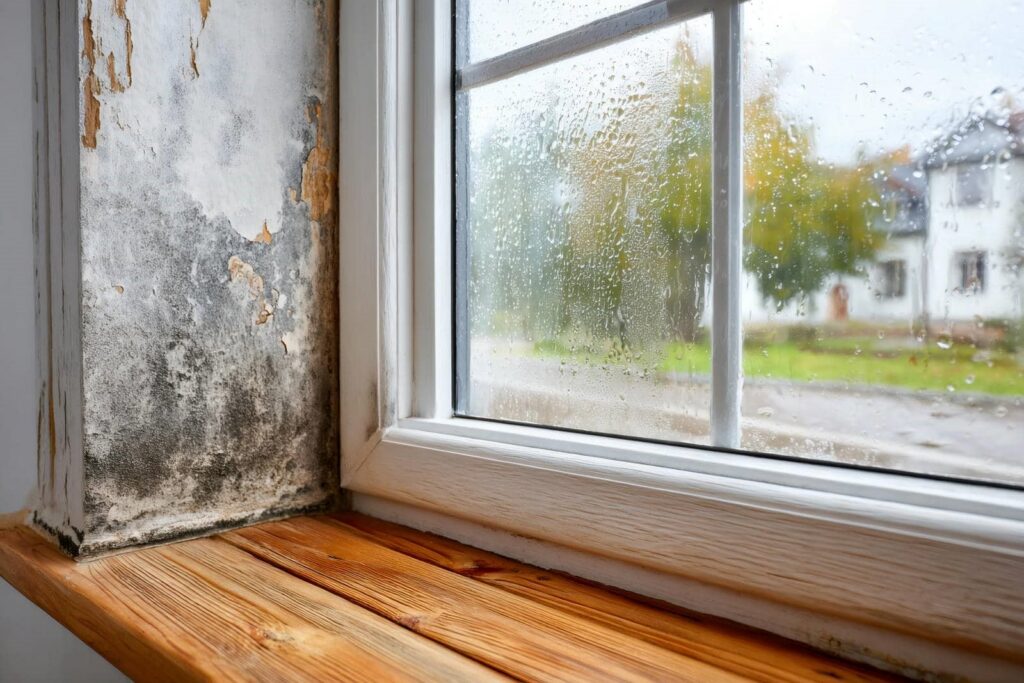
Mold remediation services for commercial buildings are essential, as mold can compromise air quality and employee health. Understanding the signs of mold and knowing what to expect during the remediation process can help you make informed decisions. Let’s explore the critical aspects of mold remediation and how it can protect your business.
Key Takeaways
- Mold remediation services are essential for maintaining indoor air quality and employee health in commercial buildings.
- Common signs of mold include musty odors, visible growth, and water damage, requiring prompt attention.
- The remediation process involves assessment, containment, removal, and air quality testing to ensure safety.
- Regular inspections and humidity control are crucial prevention strategies to mitigate mold risks in commercial spaces.
- Choose certified professionals with positive reviews and detailed remediation plans to ensure effective mold management.
Why Mold Remediation Is Essential for Business Safety
When it comes to maintaining a safe working environment, addressing mold issues promptly is essential for your business’s health.
Mold can pose serious risks to health, leading to respiratory problems and allergies among employees. If left untreated, mold can spread rapidly, increasing your business liability.
It’s vital to implement mold remediation services to eliminate existing mold and prevent future growth. By doing so, you safeguard your staff’s well-being and protect your business from potential lawsuits and financial losses.
Ensuring a mold-free environment fosters a culture of care and responsibility, enhancing employee morale.
Ultimately, proactive mold management demonstrates your commitment to a safe workspace, reinforcing a sense of belonging for everyone involved.
What Are the Common Signs of Mold in Your Commercial Building?
In your commercial building, you might notice a musty odor that signals potential mold presence.
Visible mold growth and signs of water damage are also critical indicators that shouldn’t be overlooked.
Addressing these signs promptly can help prevent further complications and ensure a safe environment for your employees and clients.
Musty Odors Present
Musty odors often signal the presence of mold in your commercial building, as these unpleasant smells are typically caused by mold spores and their byproducts.
If you notice musty sensations, it’s essential to identify potential odor sources. Here are common signs to look for:
- Damp, dark areas, particularly in basements or near plumbing.
- Water stains on walls or ceilings, suggesting moisture accumulation.
- A persistent smell that intensifies when humidity rises.
- Unexplained allergic reactions among employees, like sneezing or coughing.
Addressing these odors promptly can help maintain a healthy environment for everyone in your building.
If you suspect mold, don’t hesitate to seek professional remediation services to ensure a safe, mold-free space.
Visible Mold Growth
Common signs include dark spots on walls, ceilings, and floors, often accompanied by a damp texture. You should employ mold identification techniques, such as surface sampling, to confirm its presence.
Pay attention to areas with poor ventilation, as they often harbor mold. This growth can greatly impact indoor air quality, leading to respiratory issues and allergic reactions.
Regular inspections and immediate remediation are essential to maintain a safe environment for everyone. By addressing visible mold promptly, you foster a healthier workplace that values the well-being of your team.
Water Damage Signs
Water damage is often the precursor to mold growth in your commercial building, and recognizing its signs early can prevent extensive issues.
Here are common indicators that water damage may be present:
- Water Leaks: Check for dripping pipes or water stains on walls and ceilings.
- Increased Humidity Levels: Notice if the air feels damp or musty, especially in enclosed spaces.
- Peeling Paint or Wallpaper: Look for bubbles or discoloration, which can signal underlying moisture.
- Odor: A persistent musty smell often indicates mold presence due to hidden water damage.
What to Expect During Mold Remediation
When you engage a professional mold remediation service, you can expect a systematic approach to identifying and eliminating mold from your property.
Initially, technicians assess the affected areas, using moisture meters and infrared cameras to pinpoint mold sources. Once identified, they’ll outline a detailed remediation process, which includes containment to prevent spores from spreading.
During the removal phase, they’ll employ specialized equipment and techniques to eradicate mold while addressing any underlying health concerns.
Air quality tests may be conducted to ensure safety. After remediation, expect a thorough cleaning and restoration process, helping you return to a safe and healthy environment.
You’ll feel reassured knowing experts are managing the situation with precision and care.
How to Select the Best Mold Remediation Service for Your Needs
After experiencing mold remediation, selecting the right service for your needs becomes essential to ensure long-term effectiveness and safety.
Here are four key factors to take into account:
- Mold Inspection Techniques: Confirm the service uses advanced inspection methods, such as thermal imaging or moisture meters, to accurately identify mold sources.
- Certification and Experience: Look for certified professionals with a proven track record in mold remediation.
- Transparent Remediation Cost Factors: Request detailed estimates that break down costs, including labor, materials, and disposal fees.
- Follow-Up Services: Check if they offer post-remediation inspections to confirm the mold issue is fully resolved.
Steps to Prevent Mold After Remediation
Taking proactive steps is vital in preventing mold from returning after remediation.
First, implement effective mold prevention techniques such as regular inspections of high-risk areas like bathrooms and kitchens. Make certain that any leaks are repaired promptly to minimize moisture.
Next, focus on humidity control; aim to keep indoor humidity levels below 60%. Use dehumidifiers in damp areas and ensure proper ventilation in spaces prone to moisture buildup.
Additionally, consider using mold-resistant materials during renovations. Maintain a clean environment by regularly dusting and vacuuming to minimize mold spores.
Finally, educate your staff about mold awareness, so everyone plays a role in maintaining a mold-free environment.
What You Need to Know About Mold Laws and Regulations
When dealing with mold remediation, it’s essential to understand the legal landscape surrounding it.
Federal regulations set baseline standards, but state-specific laws can vary considerably, impacting your obligations and rights.
Familiarizing yourself with these regulations ensures compliance and protects your property and health.
Federal Mold Regulations Overview
While understanding federal mold regulations can seem challenging, it’s essential for property owners and tenants alike.
These regulations aim to mitigate mold exposure and its associated health risks. Here’s what you need to know:
- Regulatory Compliance: Confirm your building meets federal standards to avoid legal repercussions.
- Building Codes: Follow established codes that dictate proper construction and maintenance to prevent mold growth.
- Inspection Requirements: Regular inspections help catch mold issues early, safeguarding health and property.
- Remediation Standards: Adhere to best practices for mold removal to ensure a safe environment.
State-Specific Mold Laws
How familiar are you with state-specific mold laws? Understanding these laws is essential for managing mold liability in your commercial building.
Each state has unique regulations that can impact your responsibilities as a property owner or manager. For instance, some states impose strict mold remediation guidelines, while others focus on disclosure requirements during property transactions.
Familiarize yourself with the potential state penalties for non-compliance, which can include hefty fines and litigation risks. By staying informed about these regulations, you protect your property and foster a safe environment for tenants and employees.
Prioritize knowledge of local laws to effectively navigate mold issues and minimize liability. Your proactive approach can make a significant difference in mold management.
Frequently Asked Questions
How Long Does Mold Remediation Typically Take for Commercial Properties?
Mold remediation typically takes one to five days, depending on mold growth severity and the inspection process. You’ll want thorough assessments to ensure complete removal, protecting your property and maintaining a safe environment for everyone.
Will Mold Remediation Disrupt My Business Operations?
Yes, mold remediation can disrupt your business operations temporarily. However, effective mold growth prevention ensures workplace safety, minimizing long-term impacts. Planning around the process can help maintain productivity while addressing mold issues efficiently.
What Are the Costs Associated With Mold Remediation Services?
Mold removal costs can vary considerably. Factors like infestation size, location, and required materials influence expenses. Expect estimates based on thorough assessments, ensuring you’re informed and prepared to tackle any mold-related challenges effectively.
Can I Handle Mold Removal Myself, or Should I Hire Professionals?
You can try DIY techniques for minor mold issues, but be wary of health risks. Hiring professionals ensures thorough removal and safety, especially for larger infestations where hidden mold can pose serious health hazards.
How Can I Verify if the Mold Remediation Was Successful?
To verify successful mold remediation, conduct mold testing and perform a thorough visual inspection. Check for any signs of mold regrowth, and ensure humidity levels are controlled to maintain a safe, healthy environment for everyone.
Conclusion
Investing in mold remediation services isn’t just about meeting regulations; it’s about ensuring a healthy, safe environment for your employees and clients. Picture a workspace free of harmful mold spores, where productivity thrives and absenteeism drops. By addressing mold issues promptly and effectively, you protect your business’s reputation and structural integrity. Don’t wait for mold to become a costly problem—act now, and create a cleaner, safer future for everyone in your building.