
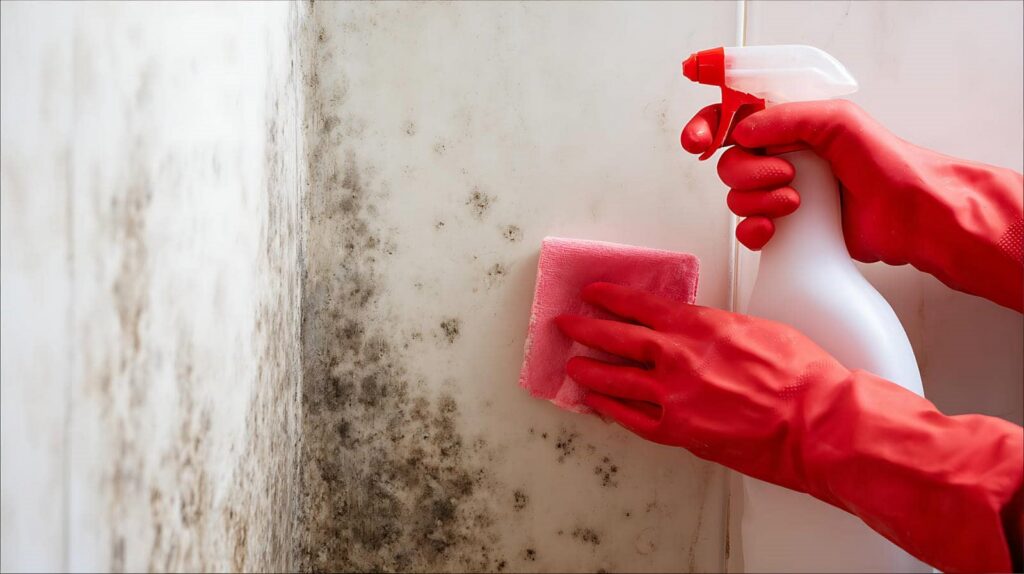
Many people believe mold remediation is a quick fix, but that’s not always the case—especially when asking how long do mold remediation services take. The duration can vary widely based on the severity of the infestation and other influencing factors. Understanding how long the process really takes is essential for managing expectations and ensuring effective treatment. What are the key elements that determine this timeline, and how can they impact your situation?
Key Takeaways
- Minor mold infestations typically take a few days to a week for remediation.
- Moderate infestations generally require one to three weeks for effective treatment.
- Severe infestations can last from three weeks to several months to fully remediate.
- Factors like infestation severity, material type, and environmental conditions influence remediation timelines.
- Quick action on minor issues can significantly reduce growth and health risks.
Overview of Mold Remediation: Key Definitions
When dealing with mold issues, understanding key definitions in mold remediation is vital. You’ll encounter various mold types, such as Aspergillus and Stachybotrys, each posing different health risks. Aspergillus can lead to respiratory problems, while Stachybotrys, often called black mold, can cause severe reactions in sensitive individuals.
Recognizing these distinctions helps you gauge the urgency of remediation. Terms like “containment” and “removal” are important; containment prevents spores from spreading, while removal ensures the affected materials are disposed of safely.
Additionally, “air quality testing” assesses whether additional remediation is needed. Familiarizing yourself with these definitions empowers you and fosters a sense of community among those facing similar challenges.
Understanding this terminology is your first step toward effective mold management.
Typical Duration for Different Types of Mold Infestations
When evaluating mold infestations, the duration of remediation varies considerably based on the severity.
Minor infestations might take just a few hours, while moderate cases can extend to several days.
Severe infestations often require a week or more, depending on the extent of the damage and necessary repairs.
Minor Mold Infestations Duration
Minor mold infestations can typically be resolved within a few days to a week, depending on the type of mold and the extent of the problem. Common types like Cladosporium or Aspergillus usually require less time for remediation.
If you act quickly, you can effectively limit mold growth and reduce potential health risks associated with exposure. The process usually involves identifying the source of moisture, cleaning the affected area, and ensuring proper ventilation to prevent future occurrences.
Moderate Mold Infestations Duration
Moderate mold infestations typically take longer to remediate, often ranging from one to three weeks, depending on the mold type and severity of the situation.
During this period, you’ll see various remediation techniques employed to address the specific mold growth. Professionals usually start with a thorough assessment, identifying affected areas and determining the best approach.
Common methods include containment strategies, HEPA vacuuming, and applying biocides to eliminate spores.
It’s essential to address moderate infestations promptly, as lingering mold can lead to more serious issues.
Severe Mold Infestations Duration
Severe mold infestations can greatly extend remediation timelines, often lasting anywhere from three weeks to several months.
When you’re dealing with significant mold growth, the remediation challenges multiply. You may face extensive structural damage, requiring a thorough assessment by professionals.
The complexity of the situation means that containment measures must be more stringent, and you might need to replace materials like drywall or insulation.
This process takes time, as remediation teams often need to ensure all spores are eliminated to prevent recurrence.
Additionally, if the mold has penetrated hidden areas, it can complicate the cleanup.
Understanding these factors can help you set realistic expectations as you work towards a mold-free environment.
Factors Influencing Mold Remediation Timelines
When tackling mold remediation, several factors can greatly influence how long the process takes. First, the severity of the infestation plays a critical role; extensive growth requires more intensive remediation techniques, naturally extending the timeline.
Next, environmental factors, such as humidity and temperature, can either aid or hinder remediation efforts. High humidity levels may prolong drying times, while cooler temperatures can slow down the effectiveness of certain treatments.
Additionally, the type of materials affected—wood, drywall, or carpet—impacts how quickly remediation can proceed.
Finally, the expertise of your remediation team can notably affect efficiency. Understanding these factors can help you set realistic expectations for the timeline of your mold remediation project.
How Professional Equipment Speeds Up Remediation
Using professional equipment greatly accelerates mold remediation.
Advanced air filtration systems capture microscopic spores, while high-powered extraction tools remove moisture quickly.
Additionally, thermal imaging technology helps you identify hidden mold, ensuring a thorough and efficient process.
Advanced Air Filtration Systems
By utilizing advanced filtration technology, these systems enhance air quality in your space, ensuring a healthier environment.
When you invest in professional mold remediation, you’ll notice that these systems work tirelessly to trap microscopic particles, markedly reducing the risk of recontamination.
This proactive approach accelerates the remediation timeline while providing peace of mind.
You’ll feel more at ease knowing that harmful spores are being filtered out efficiently.
Ultimately, advanced air filtration systems are vital in maintaining a safe atmosphere, allowing you and your family to return to your home with confidence and comfort.
High-Powered Extraction Tools
| Tool Type | Benefits |
|---|---|
| High-Pressure Extractors | Removes mold quickly |
| Dehumidifiers | Supports advanced drying |
| Air Movers | Enhances airflow, reducing moisture |
| Surface Cleaners | Ensures thorough cleaning |
Thermal Imaging Technology
While many traditional methods rely on visual inspection, thermal imaging technology provides a significant advantage in mold remediation. This advanced tool enhances mold detection by identifying temperature variations in walls and ceilings, which often indicate moisture buildup—an essential factor for mold growth.
By quickly pinpointing hidden problem areas, you can expedite the remediation process, minimizing further damage. It also allows professionals to assess larger areas efficiently, ensuring no potential mold sources are overlooked.
Utilizing thermal imaging saves time and fosters a deeper understanding of the situation, giving you peace of mind. In the end, this technology streamlines the entire process, making it easier for you to reclaim your space from mold effectively and swiftly.
Material Types and Mold Removal Time
Understanding the relationship between material types and mold removal time is essential for effective remediation. Different materials, such as wood, drywall, and carpet, have unique characteristics that influence how mold adheres and grows.
For instance, porous materials like drywall absorb moisture, making them more susceptible to mold infestations, which often requires more intensive removal techniques. In contrast, non-porous surfaces, such as tile or glass, typically allow for easier cleaning.
Knowing these characteristics helps you anticipate the time and effort needed for successful mold removal. By selecting appropriate removal techniques tailored to the specific materials involved, you can streamline the process, ensuring a quicker and more efficient remediation experience.
Understanding this can foster a sense of community among those facing similar challenges.
Step-By-Step Breakdown of the Mold Remediation Process
Mold remediation typically follows a structured process that ensures thorough removal and prevention of future growth.
First, a professional assesses the area to identify the extent of the mold problem.
Next, they’ll contain the affected space to prevent spores from spreading, ensuring your safety.
After that, they’ll remove the mold using specialized equipment and cleaning agents.
Following removal, they’ll focus on preventive measures, such as repairing leaks or improving ventilation, which reduces future risks.
Finally, the area is thoroughly cleaned and dried, minimizing any health risks associated with lingering spores.
Signs Mold Remediation Is Complete
After the mold remediation process concludes, it’s important to know how to identify whether the job was done effectively. One of the key signs is the absence of visible mold growth—check areas previously affected.
Additionally, a thorough mold testing should be conducted to verify mold spore levels are within safe limits. If the air quality improves and no musty odors linger, it’s a good indication that remediation was successful.
Always remember to follow safety precautions during your inspections, such as wearing gloves and masks to protect yourself from any residual spores.
Finally, if you notice no recurring moisture issues, you can feel confident that your home is now safe and mold-free.
Why Acting Fast on Mold Matters for Your Health
When you encounter mold in your home, acting swiftly can greatly impact your health. Mold exposure poses various health risks, including respiratory issues and allergic reactions. By addressing mold quickly, you reduce these risks and promote a healthier living environment.
Consider the following:
- Respiratory Problems: Mold can trigger asthma and other breathing issues, especially in sensitive individuals.
- Allergic Reactions: Prolonged exposure may lead to increased allergy symptoms, such as sneezing and skin irritation.
- Long-Term Health Effects: Ignoring mold can lead to chronic health conditions, complicating your overall well-being.
Taking immediate action protects your health and fosters a sense of safety and belonging in your home.
Don’t underestimate the importance of timely mold remediation.
Choosing the Right Professional for Mold Remediation
Finding the right professional for mold remediation is essential, especially since the effectiveness of the treatment directly influences your home’s safety and air quality. Start by seeking certified contractors who specialize in mold inspection. They should provide a thorough assessment and have a solid reputation in your community.
Here’s a quick comparison to help you choose:
| Criteria | Importance |
|---|---|
| Certification | Ensures expertise |
| Experience | Proven track record |
| Reviews | Community feedback |
Frequently Asked Questions
Can I Stay in My Home During Mold Remediation?
You shouldn’t stay in your home during mold remediation due to potential mold exposure. Safety precautions are essential; leaving ensures you avoid health risks while professionals effectively eliminate the problem and restore your living environment.
How Much Does Mold Remediation Typically Cost?
You’ll typically pay between $500 to $6,000 for mold remediation, depending on the severity. Costs include mold testing and various remediation methods. Always get multiple quotes to ensure you’re making an informed decision.
Will My Insurance Cover Mold Remediation Expenses?
Your insurance policies might cover mold remediation, but it varies. Check your coverage limits closely. Some policies include specific exclusions, so understanding your plan is essential for managing potential out-of-pocket expenses effectively.
How Can I Prevent Mold From Returning?
To prevent mold from returning, you should implement effective mold prevention techniques like improving ventilation and using dehumidifiers. Also, adopt moisture control strategies by fixing leaks and ensuring proper drainage around your home.
What Should I Do if I Find Mold Again?
If you spot mold again, act quickly—like a gardener pruning dead leaves. Check for mold symptoms, assess health risks, and contact professionals for remediation. Don’t let it root in your home; your health matters.
Review
In the battle against mold, time is of the essence. Just as Odysseus navigated treacherous waters to return home, you must act swiftly to protect your health and property. Understanding the timelines for mold remediation empowers you to make informed decisions. By choosing the right professionals and recognizing the signs of successful remediation, you can reclaim your space and ensure a safe environment. Don’t let mold linger; a timely response can make all the difference.