
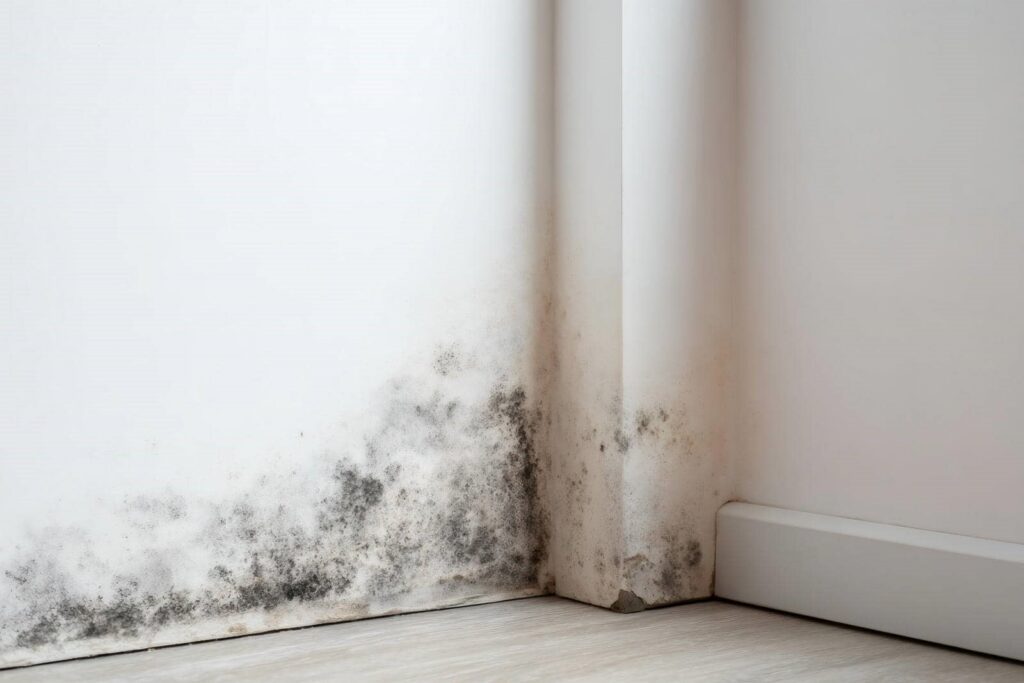
When you face mold issues in your home, understanding the professional mold remediation services cost is vital. Initial inspections can range from $200 to $500, while complete remediation can escalate to $30,000 based on severity. You might wonder what factors influence these costs, and whether DIY solutions could suffice. Before making any decisions, it’s essential to grasp the complexities involved in effective mold management and the potential financial implications of neglect.
Key Takeaways
- Initial inspections for mold typically range from $200 to $500, setting the stage for further actions.
- Complete remediation costs vary widely, from $1,500 to $30,000, depending on infestation severity.
- DIY remediation is feasible for minor infestations, costing between $100 and $300, while professional services start over $1,000.
- Mold infestation size significantly affects costs: small (under 10 sq. ft.) can range from $500 to $1,500, while severe cases exceed $6,000.
- Insurance coverage for mold varies, with some policies excluding damage from neglect; regular inspections can mitigate costs.
Understanding Mold Remediation Costs
When you encounter mold in your home, understanding remediation costs is essential for effective planning and budgeting. Various factors influence these costs, including the type of mold present and the extent of the contamination.
Mold health impacts can range from mild allergic reactions to severe respiratory issues, making timely remediation vital. Mold growth conditions, such as moisture levels and temperature, also play a significant role in determining the scope of work needed.
Typically, initial inspections may cost between $200 and $500, while complete remediation can range from $1,500 to $30,000, depending on severity. Knowing these details helps you make informed decisions, ensuring a healthier living environment for you and your family.
DIY vs. Professional Mold Remediation Costs
When considering mold remediation, you need to assess the severity of the infestation to determine if a DIY approach is viable.
Professional services often require specialized equipment and supplies, which can greatly impact costs.
Additionally, factor in the time and labor involved—what seems straightforward might quickly escalate into a more complex and costly endeavor.
Assessing Mold Severity
Although evaluating mold severity can seem straightforward, it often requires a nuanced understanding of both the affected area and the potential costs involved in remediation.
You’ll want to employ mold identification techniques, such as visual inspections and moisture readings, to gauge the extent of the problem. A thorough health impact assessment is essential, as mold can greatly affect indoor air quality and your well-being.
If you find extensive growth or suspect toxic mold, professional remediation may be necessary, increasing costs but ensuring safety. Conversely, minor infestations might be manageable as a DIY project, saving you money.
Ultimately, understanding these factors helps you make informed decisions about whether to tackle mold remediation yourself or hire professionals.
Equipment and Supplies
Understanding the severity of mold issues directly influences the choice of equipment and supplies needed for remediation.
For DIY projects, you might consider basic mold removal equipment like masks, gloves, and mold-safe cleaners, which can cost around $100 to $300.
However, professional services utilize advanced tools such as HEPA vacuums, air scrubbers, and moisture meters, considerably increasing remediation supply costs to $1,000 or more.
Professionals also understand the importance of containment and proper disposal, ensuring a thorough approach.
While DIY might seem cost-effective, remember that inadequate equipment can lead to recurring mold issues, ultimately raising long-term costs.
Investing in professional services often ensures a extensive solution, protecting your home and health.
Time and Labor Costs
While tackling mold remediation yourself might seem appealing, it often requires a significant time investment that can be underestimated.
Here’s what you need to take into account regarding labor rates and time estimates:
- Assessment: Identifying the extent of mold growth can take hours, sometimes days.
- Preparation: Setting up containment and safety measures often demands additional time.
- Remediation: The actual cleaning process can stretch over several days, depending on the severity.
- Follow-up: Post-remediation inspections and air quality tests are essential and time-consuming.
When you factor in these elements, hiring a professional might save you time and ensure thoroughness.
Key Factors Affecting Mold Remediation Costs
When evaluating mold remediation costs, two key factors stand out: the size of the infestation and the type of mold present.
A larger area affected by mold typically requires more resources and time, driving up costs.
Additionally, certain mold types may necessitate specialized treatments, further influencing the overall price.
Size of Infestation
The size of the mold infestation considerably influences remediation costs, with expenses typically ranging from hundreds to thousands of dollars depending on the extent of the problem.
Understanding the infestation size helps you budget effectively for mold growth issues. Here are key factors that impact the overall cost:
- Small (Less than 10 square feet): Usually manageable, often costing $500-$1,500.
- Medium (10-50 square feet): Requires more labor and materials, typically $1,500-$3,000.
- Large (50-100 square feet): Involves extensive cleanup and may cost $3,000-$6,000.
- Severe (Over 100 square feet): Major remediation efforts needed, often exceeding $6,000.
Type of Mold
Understanding the type of mold present in your home is essential, as it greatly impacts remediation costs. Different mold types vary in complexity and danger.
For instance, toxic molds, like black mold (Stachybotrys chartarum), require specialized handling due to health risks, which can drive up costs considerably. Other molds, while less hazardous, still need professional attention to prevent further issues.
The presence of multiple mold types can complicate the remediation process, leading to higher labor and material expenses. Additionally, the extent of contamination and the specific methods required for removal will vary based on the mold encountered.
Knowing the exact type of mold helps you estimate costs more accurately and ensures you’re prepared for the remediation process.
Breakdown of Inspection and Testing Fees
While you might prioritize the cost of mold remediation, the expenses associated with inspection and testing are equally important to take into account.
Understanding these fees can help you make informed decisions. Here’s a breakdown of typical costs:
- Visual Inspection: A detailed examination using various inspection methods, often ranging from $200 to $500.
- Air Quality Testing: Utilizing advanced testing technologies to measure mold spores, typically costing between $300 and $700.
- Surface Sampling: Collecting samples for laboratory analysis, usually priced around $100 to $300 per sample.
- Moisture Assessment: Identifying hidden moisture sources can cost between $150 and $400.
Investing in these services can ensure a thorough understanding of your mold situation, leading to effective remediation.
Mold Removal Techniques and Costs
After evaluating your mold situation through inspection and testing, it’s time to explore the various mold removal techniques and their associated costs.
The most common removal methods include physical removal, chemical treatments, and encapsulation.
Physical removal involves scraping or sanding away affected materials, typically costing between $500 and $3,000, depending on the extent of mold growth.
Chemical treatments, using specialized fungicides, can run from $200 to $1,500, based on the area treated.
Encapsulation, sealing off mold-infested areas, might cost around $1,000 to $2,500.
Understanding these techniques and their costs helps you make informed decisions, ensuring your home remains safe and healthy for you and your loved ones.
Additional Expenses: Containment and Cleanup
To effectively manage mold remediation, you’ll need to account for additional expenses related to containment and cleanup. These costs ensure a safe environment while preventing further spread of mold.
Here are key expenses to take into account:
- Containment Barriers: Installing plastic sheeting to isolate affected areas, preventing cross-contamination.
- Air Filtration Devices: Using HEPA filters to capture airborne spores during the cleanup process.
- Personal Protective Equipment (PPE): Providing masks, gloves, and suits for workers to ensure safety.
- Cleanup Procedures: Employing specialized methods, like vacuuming and chemical treatments, to thoroughly remove mold.
Understanding these expenses helps you prepare for a thorough mold remediation process, ensuring both safety and effectiveness.
Financial Impact of Preventive Measures
Preventing mold growth protects your property and can also affect your finances. By investing in preventive maintenance, you can significantly reduce the likelihood of mold infestations, which often lead to costly remediation services.
Regular inspections, proper ventilation, and humidity control can preemptively address conditions conducive to mold growth. These proactive measures enhance your property’s value and yield substantial cost savings over time.
Instead of facing unexpected expenses for extensive cleanup and repairs, you’ll maintain a healthier environment and protect your investment. Ultimately, prioritizing preventive measures fosters peace of mind, ensuring that your home remains a safe haven while keeping your finances intact.
Insurance Coverage for Mold Remediation?
How well do you understand your insurance policy when it comes to mold remediation? Many homeowners find mold coverage confusing. Here’s what to take into account:
- Policy Definitions: Check how your insurance defines mold; it varies greatly.
- Coverage Limits: Know the maximum amount your policy pays for mold damage, as it may be capped.
- Exclusions: Be aware of any exclusions, like mold due to neglect or lack of maintenance.
- Claim Process: Understand the steps to file a claim, as documentation is essential for approval.
Budgeting for Future Mold Prevention
Understanding your insurance coverage is an essential first step, but planning for future mold prevention can save you from costly remediation down the line.
Start by implementing effective mold prevention tips, such as maintaining proper ventilation and controlling indoor humidity levels.
Allocate a portion of your budget for regular inspections and maintenance; these budgeting strategies can identify potential issues before they escalate.
Investing in moisture barriers and dehumidifiers can also be beneficial.
Consider setting aside funds specifically for emergency repairs, ensuring you’re prepared for unexpected leaks or water damage.
Frequently Asked Questions
How Long Does the Mold Remediation Process Typically Take?
The mold remediation process typically takes one to five days, depending on the remediation timeline and environmental factors like humidity and size of the affected area. You’ll see quicker results with ideal conditions.
Can Mold Return After Professional Remediation?
Yes, mold can return after remediation. Mold regrowth factors include moisture and poor ventilation. You should implement preventive measures like controlling humidity and ensuring proper airflow to minimize the risk of future infestations.
What Certifications Should Mold Remediation Professionals Have?
You should look for certifications in mold identification techniques and proper use of remediation equipment types. Professionals with IICRC or ACAC certifications demonstrate expertise, ensuring effective solutions that meet safety and health standards for your space.
Are There Health Risks During the Remediation Process?
Yes, there are health risks during remediation. You might experience health symptoms like headaches or respiratory issues. Always ensure safety precautions are in place, such as masks and proper ventilation, to protect yourself throughout the process.
How Can I Verify a Remediation Company’s Reputation?
To verify a remediation company’s reputation, check customer reviews and service ratings online. Look for consistent positive feedback, responsiveness, and detailed accounts of their work. Engaging with community forums can also provide valuable insights.
Conclusion
Investing in professional mold remediation might seem costly, but consider the long-term health benefits and property preservation. While DIY options may save you money initially, they often overlook hidden mold, leading to more expensive problems down the line. By opting for expert services, you ensurethorough removal and a safer living environment. Don’t let the fear of upfront costs deter you; the peace of mind and protection against future infestations are invaluable. Prioritize your home’s health today.