
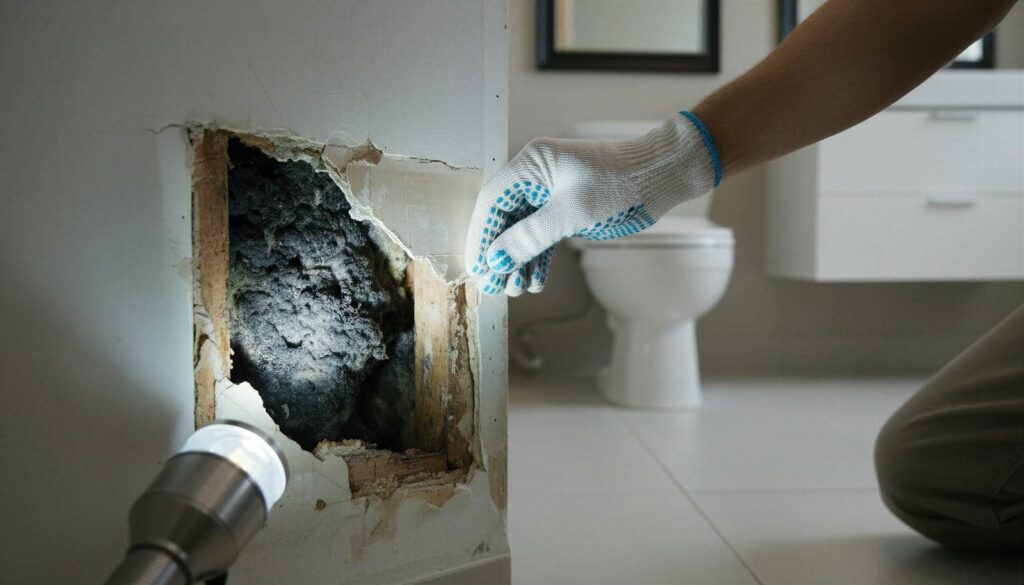
When you’re faced with mold issues, choosing the right remediation team is essential. You want professionals who not only understand the science behind mold but also prioritize safety and thoroughness. Consider their qualifications, methods, and customer feedback. Taking the time to evaluate these factors can make a significant difference in resolving your mold problem effectively. So, what should you look for in a reliable mold remediation service? Let’s explore the key aspects that will guide your decision.
Key Takeaways
- Research online reviews and testimonials to gauge the reliability of local mold remediation services.
- Verify certifications and licenses to ensure compliance with industry standards for safety and effectiveness.
- Request detailed quotes, including service breakdowns, to understand the scope and cost of remediation.
- Inquire about the company’s mold inspection processes and advanced remediation techniques used.
- Seek referrals from friends or family to find trustworthy professionals with positive experiences.
What Is Mold Remediation and Why Is It Important?
Mold remediation is the process of identifying, removing, and preventing mold growth in your home or business.
Understanding the various mold types is important, as some, like black mold, pose significant health risks. Exposure to mold can lead to respiratory issues, allergies, and other serious health concerns. That’s why addressing mold promptly is essential for your safety and well-being.
Effective remediation not only eliminates current mold but also mitigates future growth, ensuring your space stays healthy. By investing in professional services, you’re protecting your loved ones and creating a safe environment.
Signs You Need Mold Remediation Services
If you notice an unpleasant musty odor in your home, it’s a strong indication that mold might be present.
Visible mold growth, along with any signs of water damage, should also raise immediate concerns.
Addressing these issues promptly can help prevent further health risks and property damage.
Unpleasant Musty Odor
When you notice an unpleasant musty odor in your home, it often signals the presence of hidden mold. This musty smell can indicate that mold spores are circulating in the air, impacting your indoor air quality.
It’s essential to pay attention to this warning sign, as mold can develop in damp or poorly ventilated areas, often out of sight. If you detect that musty aroma, it’s time to assess your environment.
Ignoring it could lead to health issues, particularly for those with allergies or respiratory problems. Addressing the source of the odor promptly not only improves your air quality but also fosters a healthier living space.
Don’t hesitate to seek professional mold remediation services to safeguard your home and well-being.
Visible Mold Growth
Mold can cause respiratory issues, allergies, and other serious health problems, especially for vulnerable groups like children and the elderly. If you notice green, black, or white patches on walls, ceilings, or other surfaces, it’s vital to act quickly.
Not only does visible mold signal existing moisture issues, but it also suggests that spores are spreading. Don’t underestimate the importance of addressing these signs; getting professional mold remediation services can help you reclaim your space and guarantee a safer environment for you and your loved ones.
Water Damage Issues
Unexplained damp spots on walls or ceilings
A musty odor lingering in the air
Increased humidity levels indoors
Peeling or bubbling paint and wallpaper
Visible condensation on windows or pipes
Addressing these issues promptly not only protects your home but also fosters a healthier living environment.
If you notice any of these signs, it’s time to contemplate mold remediation services.
Taking action now can save you from more significant problems down the line, ensuring your space remains safe and welcoming.
DIY vs. Professional Mold Remediation
While tackling mold issues yourself may seem cost-effective, understanding the complexities involved can greatly impact your decision.
DIY techniques might offer a quick fix, but they often overlook underlying problems that can lead to mold’s return. You might feel empowered by handling it alone, but without the right knowledge and equipment, you risk exposure to harmful spores.
On the other hand, professional benefits include thorough assessments and advanced remediation techniques that guarantee the problem is solved completely.
Professionals have access to specialized tools and expertise that can prevent future outbreaks, providing peace of mind.
Weighing these factors can help you decide whether to embrace the DIY approach or invest in professional mold remediation services for lasting results.
How to Find Reliable Mold Remediation Services
How can you guarantee you’re choosing reliable mold remediation services? Start by doing your homework to confirm you’re making an informed decision.
Here are some mold inspection tips and local service recommendations to guide you:
Check online reviews and testimonials for honest feedback.
Verify certifications and licenses to confirm compliance with industry standards.
Ask for detailed quotes, including a breakdown of services offered.
Inquire about their mold inspection process and remediation techniques.
Seek referrals from friends or family who’ve had positive experiences.
Essential Qualifications of a Reliable Mold Remediation Company
When choosing a mold remediation company, it’s essential to take into account their industry certifications and training, as these reflect their commitment to best practices.
You’ll also want to assess their experience and expertise levels, which can greatly impact the effectiveness of the remediation process.
Finally, verify they follow proper safety protocols and use the right equipment to protect both your property and health.
Industry Certifications And Training
Understanding industry certifications and training is essential when selecting a reliable mold remediation company. These qualifications guarantee that the team you’re considering meets high standards in safety and effectiveness.
Here are key aspects to look for:
Certification Importance: Verify that the company holds certifications from recognized organizations.
Training Standards: Confirm technicians undergo rigorous training in mold remediation techniques.
Continuous Education: Look for companies that prioritize ongoing education to keep up with industry advancements.
Health and Safety Compliance: Check if they follow regulations for safe practices.
Specialty Certifications: Consider those with additional certifications in specific remediation methods.
Experience And Expertise Levels
Ask about their specific training in mold assessment and removal, as well as any certifications they might hold.
A knowledgeable team won’t only identify the extent of the mold damage but also provide tailored solutions to prevent future growth.
Choosing experts guarantees you’re in capable hands, fostering a sense of security during a challenging time.
Safety Protocols And Equipment
To guarantee a successful mold remediation process, a reliable company must adhere to strict safety protocols and utilize specialized equipment. You want to make certain the team you hire prioritizes your safety and well-being throughout the process.
Look for companies that:
- Provide extensive safety training for their staff
- Use high-quality protective gear, including respirators and gloves
- Implement containment measures to prevent mold spores from spreading
- Utilize advanced equipment, like air scrubbers and moisture meters
- Follow established guidelines, such as those from the EPA or IICRC
Questions to Ask Before Hiring Mold Remediation Experts
How can you guarantee that you’re choosing the right mold remediation experts for your home? Start by asking critical questions that reveal their expertise and approach.
| Question | Purpose |
|---|---|
| What remediation techniques do you use? | To assess their methods and effectiveness. |
| Are you certified and insured? | To confirm professionalism and safety. |
| Can you debunk common mold myths? | To gauge their knowledge of mold issues. |
| Do you provide a detailed plan? | To understand their process and transparency. |
These inquiries help you identify qualified professionals who prioritize your home’s safety. By focusing on their experience and the techniques they employ, you’ll feel more confident in your decision. Remember, a knowledgeable team can make all the difference.
What Happens During the Mold Remediation Process?
Understanding the mold remediation process is essential for homeowners facing mold issues. This step-by-step approach guarantees effective mold removal while safeguarding your health. Here’s what typically happens:
Assessment: Experts evaluate the extent of the mold growth.
Containment: They create barriers to prevent spores from spreading.
Mold Removal Techniques: Professionals use specialized tools and methods to eliminate mold.
Cleaning and Disinfection: Surfaces are thoroughly cleaned to remove residual spores.
Prevention Measures: Finally, they address the source of moisture to prevent future outbreaks.
How Much Does Mold Remediation Cost?
When you’re facing mold issues, understanding the costs involved is essential.
The average cost of remediation can vary greatly based on several factors, including the extent of the mold damage and your location.
Additionally, knowing your insurance coverage options can help you determine how much of the expense you might be able to offset.
Average Cost Breakdown
Mold remediation can range markedly in cost, typically falling between $500 and $6,000, depending on various factors.
Understanding the average cost breakdown helps you make informed decisions.
Size of the affected area: Larger spaces require more resources.
Severity of the mold infestation: Heavier infestations usually need more extensive treatment.
Type of mold: Some molds are more hazardous and demand specialized services.
Regional pricing: Costs can vary based on your location, affecting the overall estimate.
Additional services: Air quality testing or repairs can add to the total expense.
Factors Affecting Pricing
Several key factors influence the pricing of mold remediation services, ensuring that costs align with the specific needs of each situation.
The extent of the mold problem plays an essential role; larger infestations require more time and resources. Additionally, the type of materials affected can impact costs, as some materials may need replacement rather than just treatment.
Companies that prioritize pricing transparency are often more trustworthy, outlining service inclusions clearly. Geographic location also affects pricing, as some areas may have higher labor costs.
Finally, the chosen remediation method—whether chemical or physical—can lead to variations in price. Understanding these factors can empower you to make informed choices when selecting a remediation team.
Insurance Coverage Options
Understanding the costs associated with mold remediation is essential, especially when evaluating insurance coverage options. Many homeowners overlook how their insurance policy can impact these costs.
Here are some key points to take into account:
Check your policy: Not all insurance policies cover mold remediation.
Review coverage limits: Verify your coverage limits meet potential remediation costs.
Document the damage: Take photos and keep records to support your claim.
Understand exclusions: Some policies might exclude mold caused by neglect.
Consult your agent: Discuss your coverage options to avoid surprises.
How to Prevent Mold Growth After Remediation
To effectively prevent mold growth after remediation, it’s crucial to maintain a dry and well-ventilated environment. Start by identifying and repairing any leaks in your home; moisture is mold’s best friend.
Implement preventative measures like using dehumidifiers in damp areas and guaranteeing proper airflow. Regularly check your home for signs of water damage or condensation, addressing issues promptly.
Ongoing maintenance is key—clean gutters, maintain proper drainage, and avoid overwatering indoor plants.
Use mold-resistant products when renovating or painting. By being proactive and vigilant, you’ll create a less hospitable environment for mold, fostering a healthier home for you and your loved ones.
Together, these strategies can greatly reduce the risk of mold returning after remediation.
Evaluating Reviews and Testimonials for Mold Remediation Services
How can you guarantee that the mold remediation service you choose is reliable and effective? Evaluating reviews and testimonials can provide valuable insights.
Look for feedback that highlights:
Successful mold prevention strategies used by the service.
Customer satisfaction indicators, such as promptness and professionalism.
Detailed experiences regarding the thoroughness of the remediation process.
Transparency in pricing and services rendered.
Follow-up support to secure long-term success.
Frequently Asked Questions
How Long Does Mold Remediation Typically Take to Complete?
Mold remediation typically takes 1 to 5 days, depending on mold growth severity and chosen remediation techniques. You’ll want a thorough assessment to guarantee effective removal and prevent future issues, keeping your space safe and healthy.
Will My Insurance Cover Mold Remediation Services?
Your insurance might cover mold remediation, but don’t get too excited. Many mold insurance policies have coverage limitations. Always check your policy details to know what’s included and avoid nasty surprises down the line.
What Types of Mold Are Most Commonly Remediated?
You’ll often encounter common mold types like Aspergillus, Cladosporium, and Stachybotrys. Effective mold identification techniques can help you recognize these species early, ensuring timely remediation and protecting your space from potential health risks.
Can I Stay in My Home During the Remediation Process?
No, you shouldn’t stay during remediation; it’s like living in a science experiment gone wrong. Safety precautions guarantee air quality’s restored, but vacating keeps you safe from potential health risks during the process.
What Should I Do if Mold Returns After Remediation?
If mold returns after remediation, assess the areas affected, implement mold prevention strategies, and maintain cleanliness. Regular post-remediation maintenance, like controlling humidity and inspecting for leaks, can help prevent future mold growth effectively.
Final Thoughts
Choosing the right mold remediation team is like selecting a skilled gardener to tend to a wilting plant. Just as the gardener nurtures roots, you need experts who address the underlying issues causing mold. By investing in professional services, you cultivate a healthier home environment, ensuring your property thrives without the shadow of mold. Don’t let neglect lead to a garden of troubles; act decisively to protect your space and well-being. Your home deserves the best care.